
Get trending papers in your email inbox once a day!
Get trending papers in your email inbox!
Subscribe
Re-Bottleneck: Latent Re-Structuring for Neural Audio Autoencoders
Neural audio codecs and autoencoders have emerged as versatile models for audio compression, transmission, feature-extraction, and latent-space generation. However, a key limitation is that most are trained to maximize reconstruction fidelity, often neglecting the specific latent structure necessary for optimal performance in diverse downstream applications. We propose a simple, post-hoc framework to address this by modifying the bottleneck of a pre-trained autoencoder. Our method introduces a "Re-Bottleneck", an inner bottleneck trained exclusively through latent space losses to instill user-defined structure. We demonstrate the framework's effectiveness in three experiments. First, we enforce an ordering on latent channels without sacrificing reconstruction quality. Second, we align latents with semantic embeddings, analyzing the impact on downstream diffusion modeling. Third, we introduce equivariance, ensuring that a filtering operation on the input waveform directly corresponds to a specific transformation in the latent space. Ultimately, our Re-Bottleneck framework offers a flexible and efficient way to tailor representations of neural audio models, enabling them to seamlessly meet the varied demands of different applications with minimal additional training.
Cyclic Multichannel Wiener Filter for Acoustic Beamforming
Acoustic beamforming models typically assume wide-sense stationarity of speech signals within short time frames. However, voiced speech is better modeled as a cyclostationary (CS) process, a random process whose mean and autocorrelation are T_1-periodic, where alpha_1=1/T_1 corresponds to the fundamental frequency of vowels. Higher harmonic frequencies are found at integer multiples of the fundamental. This work introduces a cyclic multichannel Wiener filter (cMWF) for speech enhancement derived from a cyclostationary model. This beamformer exploits spectral correlation across the harmonic frequencies of the signal to further reduce the mean-squared error (MSE) between the target and the processed input. The proposed cMWF is optimal in the MSE sense and reduces to the MWF when the target is wide-sense stationary. Experiments on simulated data demonstrate considerable improvements in scale-invariant signal-to-distortion ratio (SI-SDR) on synthetic data but also indicate high sensitivity to the accuracy of the estimated fundamental frequency alpha_1, which limits effectiveness on real data.

Efficient Hyperparameter Tuning via Trajectory Invariance Principle
As hyperparameter tuning becomes increasingly costly at scale, efficient tuning methods are essential. Yet principles for guiding hyperparameter tuning remain limited. In this work, we seek to establish such principles by considering a broad range of hyperparameters, including batch size, learning rate, and weight decay. We identify a phenomenon we call trajectory invariance, where pre-training loss curves, gradient noise, and gradient norm exhibit invariance--closely overlapping--with respect to a quantity that combines learning rate and weight decay. This phenomenon effectively reduces the original two-dimensional hyperparameter space to one dimension, yielding an efficient tuning rule: follow the salient direction revealed by trajectory invariance. Furthermore, we refine previous scaling laws and challenge several existing viewpoints. Overall, our work proposes new principles for efficient tuning and inspires future research on scaling laws.

Unified Microphone Conversion: Many-to-Many Device Mapping via Feature-wise Linear Modulation
In this study, we introduce Unified Microphone Conversion, a unified generative framework to enhance the resilience of sound event classification systems against device variability. Building on the limitations of previous works, we condition the generator network with frequency response information to achieve many-to-many device mapping. This approach overcomes the inherent limitation of CycleGAN, requiring separate models for each device pair. Our framework leverages the strengths of CycleGAN for unpaired training to simulate device characteristics in audio recordings and significantly extends its scalability by integrating frequency response related information via Feature-wise Linear Modulation. The experiment results show that our method outperforms the state-of-the-art method by 2.6% and reducing variability by 0.8% in macro-average F1 score.

MVDR Beamforming for Cyclostationary Processes
Conventional acoustic beamformers assume that noise is stationary within short time frames. This assumption prevents them from exploiting correlations between frequencies in almost-periodic noise sources such as musical instruments, fans, and engines. These signals exhibit periodically varying statistics and are better modeled as cyclostationary processes. This paper introduces the cyclic MVDR (cMVDR) beamformer, an extension of the conventional MVDR that leverages both spatial and spectral correlations to improve noise reduction, particularly in low-SNR scenarios. The method builds on frequency-shifted (FRESH) filtering, where shifted versions of the input are combined to attenuate or amplify components that are coherent across frequency. To address inharmonicity, where harmonic partials deviate from exact integer multiples of the fundamental frequency, we propose a data-driven strategy that estimates resonant frequencies via periodogram analysis and computes the frequency shifts from their spacing. Analytical and experimental results demonstrate that performance improves with increasing spectral correlation. On real recordings, the cMVDR achieves up to 5 dB gain in scale-invariant signal-to-distortion ratio (SI-SDR) over the MVDR and remains effective even with a single microphone. Code is available at https://github.com/Screeen/cMVDR.
Do You Remember? Overcoming Catastrophic Forgetting for Fake Audio Detection
Current fake audio detection algorithms have achieved promising performances on most datasets. However, their performance may be significantly degraded when dealing with audio of a different dataset. The orthogonal weight modification to overcome catastrophic forgetting does not consider the similarity of genuine audio across different datasets. To overcome this limitation, we propose a continual learning algorithm for fake audio detection to overcome catastrophic forgetting, called Regularized Adaptive Weight Modification (RAWM). When fine-tuning a detection network, our approach adaptively computes the direction of weight modification according to the ratio of genuine utterances and fake utterances. The adaptive modification direction ensures the network can effectively detect fake audio on the new dataset while preserving its knowledge of old model, thus mitigating catastrophic forgetting. In addition, genuine audio collected from quite different acoustic conditions may skew their feature distribution, so we introduce a regularization constraint to force the network to remember the old distribution in this regard. Our method can easily be generalized to related fields, like speech emotion recognition. We also evaluate our approach across multiple datasets and obtain a significant performance improvement on cross-dataset experiments.
Meeting Transcription Using Virtual Microphone Arrays
We describe a system that generates speaker-annotated transcripts of meetings by using a virtual microphone array, a set of spatially distributed asynchronous recording devices such as laptops and mobile phones. The system is composed of continuous audio stream alignment, blind beamforming, speech recognition, speaker diarization using prior speaker information, and system combination. When utilizing seven input audio streams, our system achieves a word error rate (WER) of 22.3% and comes within 3% of the close-talking microphone WER on the non-overlapping speech segments. The speaker-attributed WER (SAWER) is 26.7%. The relative gains in SAWER over the single-device system are 14.8%, 20.3%, and 22.4% for three, five, and seven microphones, respectively. The presented system achieves a 13.6% diarization error rate when 10% of the speech duration contains more than one speaker. The contribution of each component to the overall performance is also investigated, and we validate the system with experiments on the NIST RT-07 conference meeting test set.
Towards achieving robust universal neural vocoding
This paper explores the potential universality of neural vocoders. We train a WaveRNN-based vocoder on 74 speakers coming from 17 languages. This vocoder is shown to be capable of generating speech of consistently good quality (98% relative mean MUSHRA when compared to natural speech) regardless of whether the input spectrogram comes from a speaker or style seen during training or from an out-of-domain scenario when the recording conditions are studio-quality. When the recordings show significant changes in quality, or when moving towards non-speech vocalizations or singing, the vocoder still significantly outperforms speaker-dependent vocoders, but operates at a lower average relative MUSHRA of 75%. These results are shown to be consistent across languages, regardless of them being seen during training (e.g. English or Japanese) or unseen (e.g. Wolof, Swahili, Ahmaric).
MuteSwap: Silent Face-based Voice Conversion
Conventional voice conversion modifies voice characteristics from a source speaker to a target speaker, relying on audio input from both sides. However, this process becomes infeasible when clean audio is unavailable, such as in silent videos or noisy environments. In this work, we focus on the task of Silent Face-based Voice Conversion (SFVC), which does voice conversion entirely from visual inputs. i.e., given images of a target speaker and a silent video of a source speaker containing lip motion, SFVC generates speech aligning the identity of the target speaker while preserving the speech content in the source silent video. As this task requires generating intelligible speech and converting identity using only visual cues, it is particularly challenging. To address this, we introduce MuteSwap, a novel framework that employs contrastive learning to align cross-modality identities and minimize mutual information to separate shared visual features. Experimental results show that MuteSwap achieves impressive performance in both speech synthesis and identity conversion, especially under noisy conditions where methods dependent on audio input fail to produce intelligible results, demonstrating both the effectiveness of our training approach and the feasibility of SFVC.

SDR - half-baked or well done?
In speech enhancement and source separation, signal-to-noise ratio is a ubiquitous objective measure of denoising/separation quality. A decade ago, the BSS_eval toolkit was developed to give researchers worldwide a way to evaluate the quality of their algorithms in a simple, fair, and hopefully insightful way: it attempted to account for channel variations, and to not only evaluate the total distortion in the estimated signal but also split it in terms of various factors such as remaining interference, newly added artifacts, and channel errors. In recent years, hundreds of papers have been relying on this toolkit to evaluate their proposed methods and compare them to previous works, often arguing that differences on the order of 0.1 dB proved the effectiveness of a method over others. We argue here that the signal-to-distortion ratio (SDR) implemented in the BSS_eval toolkit has generally been improperly used and abused, especially in the case of single-channel separation, resulting in misleading results. We propose to use a slightly modified definition, resulting in a simpler, more robust measure, called scale-invariant SDR (SI-SDR). We present various examples of critical failure of the original SDR that SI-SDR overcomes.
From Independence to Interaction: Speaker-Aware Simulation of Multi-Speaker Conversational Timing
We present a speaker-aware approach for simulating multi-speaker conversations that captures temporal consistency and realistic turn-taking dynamics. Prior work typically models aggregate conversational statistics under an independence assumption across speakers and turns. In contrast, our method uses speaker-specific deviation distributions enforcing intra-speaker temporal consistency, while a Markov chain governs turn-taking and a fixed room impulse response preserves spatial realism. We also unify pauses and overlaps into a single gap distribution, modeled with kernel density estimation for smooth continuity. Evaluation on Switchboard using intrinsic metrics - global gap statistics, correlations between consecutive gaps, copula-based higher-order dependencies, turn-taking entropy, and gap survival functions - shows that speaker-aware simulation better aligns with real conversational patterns than the baseline method, capturing fine-grained temporal dependencies and realistic speaker alternation, while revealing open challenges in modeling long-range conversational structure.

LibriConvo: Simulating Conversations from Read Literature for ASR and Diarization
We introduce LibriConvo, a simulated multi-speaker conversational dataset based on speaker-aware conversation simulation (SASC), designed to support training and evaluation of speaker diarization and automatic speech recognition (ASR) systems. Unlike prior resources that mostly rely on semantically disconnected utterances and implausible temporal gaps, LibriConvo ensures semantic coherence and realistic conversational timing. Our pipeline leverages CallHome with external VAD for reliable boundaries, applies compression to reduce unnaturally long silences, and organizes LibriTTS utterances by book to maintain contextual consistency. Acoustic realism is enhanced via a novel room impulse response selection procedure that ranks speaker-microphone configurations by spatial plausibility, balancing realism and diversity. The dataset comprises 240.1 hours across 1,496 dialogues with 830 unique speakers, split in a speaker-disjoint manner for robust evaluation. Baselines show that the sortformer model outperforms the pyannote pipeline in diarization, while a fine-tuned Fast Conformer-CTC XLarge with Serialized Output Training achieves 7.29\% WER for ASR, surpassing zero-shot Whisper-large-v3. LibriConvo provides a valuable resource for advancing multi-speaker speech processing research with realistic conversational dynamics and controlled experimental conditions.
What to Remember: Self-Adaptive Continual Learning for Audio Deepfake Detection
The rapid evolution of speech synthesis and voice conversion has raised substantial concerns due to the potential misuse of such technology, prompting a pressing need for effective audio deepfake detection mechanisms. Existing detection models have shown remarkable success in discriminating known deepfake audio, but struggle when encountering new attack types. To address this challenge, one of the emergent effective approaches is continual learning. In this paper, we propose a continual learning approach called Radian Weight Modification (RWM) for audio deepfake detection. The fundamental concept underlying RWM involves categorizing all classes into two groups: those with compact feature distributions across tasks, such as genuine audio, and those with more spread-out distributions, like various types of fake audio. These distinctions are quantified by means of the in-class cosine distance, which subsequently serves as the basis for RWM to introduce a trainable gradient modification direction for distinct data types. Experimental evaluations against mainstream continual learning methods reveal the superiority of RWM in terms of knowledge acquisition and mitigating forgetting in audio deepfake detection. Furthermore, RWM's applicability extends beyond audio deepfake detection, demonstrating its potential significance in diverse machine learning domains such as image recognition.
Does Audio Deepfake Detection Generalize?
Current text-to-speech algorithms produce realistic fakes of human voices, making deepfake detection a much-needed area of research. While researchers have presented various techniques for detecting audio spoofs, it is often unclear exactly why these architectures are successful: Preprocessing steps, hyperparameter settings, and the degree of fine-tuning are not consistent across related work. Which factors contribute to success, and which are accidental? In this work, we address this problem: We systematize audio spoofing detection by re-implementing and uniformly evaluating architectures from related work. We identify overarching features for successful audio deepfake detection, such as using cqtspec or logspec features instead of melspec features, which improves performance by 37% EER on average, all other factors constant. Additionally, we evaluate generalization capabilities: We collect and publish a new dataset consisting of 37.9 hours of found audio recordings of celebrities and politicians, of which 17.2 hours are deepfakes. We find that related work performs poorly on such real-world data (performance degradation of up to one thousand percent). This may suggest that the community has tailored its solutions too closely to the prevailing ASVSpoof benchmark and that deepfakes are much harder to detect outside the lab than previously thought.
Towards robust audio spoofing detection: a detailed comparison of traditional and learned features
Automatic speaker verification, like every other biometric system, is vulnerable to spoofing attacks. Using only a few minutes of recorded voice of a genuine client of a speaker verification system, attackers can develop a variety of spoofing attacks that might trick such systems. Detecting these attacks using the audio cues present in the recordings is an important challenge. Most existing spoofing detection systems depend on knowing the used spoofing technique. With this research, we aim at overcoming this limitation, by examining robust audio features, both traditional and those learned through an autoencoder, that are generalizable over different types of replay spoofing. Furthermore, we provide a detailed account of all the steps necessary in setting up state-of-the-art audio feature detection, pre-, and postprocessing, such that the (non-audio expert) machine learning researcher can implement such systems. Finally, we evaluate the performance of our robust replay speaker detection system with a wide variety and different combinations of both extracted and machine learned audio features on the `out in the wild' ASVspoof 2017 dataset. This dataset contains a variety of new spoofing configurations. Since our focus is on examining which features will ensure robustness, we base our system on a traditional Gaussian Mixture Model-Universal Background Model. We then systematically investigate the relative contribution of each feature set. The fused models, based on both the known audio features and the machine learned features respectively, have a comparable performance with an Equal Error Rate (EER) of 12. The final best performing model, which obtains an EER of 10.8, is a hybrid model that contains both known and machine learned features, thus revealing the importance of incorporating both types of features when developing a robust spoofing prediction model.

The importance of spatial and spectral information in multiple speaker tracking
Multi-speaker localization and tracking using microphone array recording is of importance in a wide range of applications. One of the challenges with multi-speaker tracking is to associate direction estimates with the correct speaker. Most existing association approaches rely on spatial or spectral information alone, leading to performance degradation when one of these information channels is partially known or missing. This paper studies a joint probability data association (JPDA)-based method that facilitates association based on joint spatial-spectral information. This is achieved by integrating speaker time-frequency (TF) masks, estimated based on spectral information, in the association probabilities calculation. An experimental study that tested the proposed method on recordings from the LOCATA challenge demonstrates the enhanced performance obtained by using joint spatial-spectral information in the association.
Harmonics to the Rescue: Why Voiced Speech is Not a Wss Process
Speech processing algorithms often rely on statistical knowledge of the underlying process. Despite many years of research, however, the debate on the most appropriate statistical model for speech still continues. Speech is commonly modeled as a wide-sense stationary (WSS) process. However, the use of the WSS model for spectrally correlated processes is fundamentally wrong, as WSS implies spectral uncorrelation. In this paper, we demonstrate that voiced speech can be more accurately represented as a cyclostationary (CS) process. By employing the CS rather than the WSS model for processes that are inherently correlated across frequency, it is possible to improve the estimation of cross-power spectral densities (PSDs), source separation, and beamforming. We illustrate how the correlation between harmonic frequencies of CS processes can enhance system identification, and validate our findings using both simulated and real speech data.
Replay Attacks Against Audio Deepfake Detection
We show how replay attacks undermine audio deepfake detection: By playing and re-recording deepfake audio through various speakers and microphones, we make spoofed samples appear authentic to the detection model. To study this phenomenon in more detail, we introduce ReplayDF, a dataset of recordings derived from M-AILABS and MLAAD, featuring 109 speaker-microphone combinations across six languages and four TTS models. It includes diverse acoustic conditions, some highly challenging for detection. Our analysis of six open-source detection models across five datasets reveals significant vulnerability, with the top-performing W2V2-AASIST model's Equal Error Rate (EER) surging from 4.7% to 18.2%. Even with adaptive Room Impulse Response (RIR) retraining, performance remains compromised with an 11.0% EER. We release ReplayDF for non-commercial research use.
Equivariant Contrastive Learning
In state-of-the-art self-supervised learning (SSL) pre-training produces semantically good representations by encouraging them to be invariant under meaningful transformations prescribed from human knowledge. In fact, the property of invariance is a trivial instance of a broader class called equivariance, which can be intuitively understood as the property that representations transform according to the way the inputs transform. Here, we show that rather than using only invariance, pre-training that encourages non-trivial equivariance to some transformations, while maintaining invariance to other transformations, can be used to improve the semantic quality of representations. Specifically, we extend popular SSL methods to a more general framework which we name Equivariant Self-Supervised Learning (E-SSL). In E-SSL, a simple additional pre-training objective encourages equivariance by predicting the transformations applied to the input. We demonstrate E-SSL's effectiveness empirically on several popular computer vision benchmarks, e.g. improving SimCLR to 72.5% linear probe accuracy on ImageNet. Furthermore, we demonstrate usefulness of E-SSL for applications beyond computer vision; in particular, we show its utility on regression problems in photonics science. Our code, datasets and pre-trained models are available at https://github.com/rdangovs/essl to aid further research in E-SSL.



EnvSDD: Benchmarking Environmental Sound Deepfake Detection
Audio generation systems now create very realistic soundscapes that can enhance media production, but also pose potential risks. Several studies have examined deepfakes in speech or singing voice. However, environmental sounds have different characteristics, which may make methods for detecting speech and singing deepfakes less effective for real-world sounds. In addition, existing datasets for environmental sound deepfake detection are limited in scale and audio types. To address this gap, we introduce EnvSDD, the first large-scale curated dataset designed for this task, consisting of 45.25 hours of real and 316.74 hours of fake audio. The test set includes diverse conditions to evaluate the generalizability, such as unseen generation models and unseen datasets. We also propose an audio deepfake detection system, based on a pre-trained audio foundation model. Results on EnvSDD show that our proposed system outperforms the state-of-the-art systems from speech and singing domains.
Understanding the Role of Invariance in Transfer Learning
Transfer learning is a powerful technique for knowledge-sharing between different tasks. Recent work has found that the representations of models with certain invariances, such as to adversarial input perturbations, achieve higher performance on downstream tasks. These findings suggest that invariance may be an important property in the context of transfer learning. However, the relationship of invariance with transfer performance is not fully understood yet and a number of questions remain. For instance, how important is invariance compared to other factors of the pretraining task? How transferable is learned invariance? In this work, we systematically investigate the importance of representational invariance for transfer learning, as well as how it interacts with other parameters during pretraining. To do so, we introduce a family of synthetic datasets that allow us to precisely control factors of variation both in training and test data. Using these datasets, we a) show that for learning representations with high transfer performance, invariance to the right transformations is as, or often more, important than most other factors such as the number of training samples, the model architecture and the identity of the pretraining classes, b) show conditions under which invariance can harm the ability to transfer representations and c) explore how transferable invariance is between tasks. The code is available at https://github.com/tillspeicher/representation-invariance-transfer.
Whisper-AT: Noise-Robust Automatic Speech Recognizers are Also Strong General Audio Event Taggers
In this paper, we focus on Whisper, a recent automatic speech recognition model trained with a massive 680k hour labeled speech corpus recorded in diverse conditions. We first show an interesting finding that while Whisper is very robust against real-world background sounds (e.g., music), its audio representation is actually not noise-invariant, but is instead highly correlated to non-speech sounds, indicating that Whisper recognizes speech conditioned on the noise type. With this finding, we build a unified audio tagging and speech recognition model Whisper-AT by freezing the backbone of Whisper, and training a lightweight audio tagging model on top of it. With <1% extra computational cost, Whisper-AT can recognize audio events, in addition to spoken text, in a single forward pass.


A Survey on Non-Intrusive ASR Refinement: From Output-Level Correction to Full-Model Distillation
Automatic Speech Recognition (ASR) has become an integral component of modern technology, powering applications such as voice-activated assistants, transcription services, and accessibility tools. Yet ASR systems continue to struggle with the inherent variability of human speech, such as accents, dialects, and speaking styles, as well as environmental interference, including background noise. Moreover, domain-specific conversations often employ specialized terminology, which can exacerbate transcription errors. These shortcomings not only degrade raw ASR accuracy but also propagate mistakes through subsequent natural language processing pipelines. Because redesigning an ASR model is costly and time-consuming, non-intrusive refinement techniques that leave the model's architecture unchanged have become increasingly popular. In this survey, we systematically review current non-intrusive refinement approaches and group them into five classes: fusion, re-scoring, correction, distillation, and training adjustment. For each class, we outline the main methods, advantages, drawbacks, and ideal application scenarios. Beyond method classification, this work surveys adaptation techniques aimed at refining ASR in domain-specific contexts, reviews commonly used evaluation datasets along with their construction processes, and proposes a standardized set of metrics to facilitate fair comparisons. Finally, we identify open research gaps and suggest promising directions for future work. By providing this structured overview, we aim to equip researchers and practitioners with a clear foundation for developing more robust, accurate ASR refinement pipelines.

De-AntiFake: Rethinking the Protective Perturbations Against Voice Cloning Attacks
The rapid advancement of speech generation models has heightened privacy and security concerns related to voice cloning (VC). Recent studies have investigated disrupting unauthorized voice cloning by introducing adversarial perturbations. However, determined attackers can mitigate these protective perturbations and successfully execute VC. In this study, we conduct the first systematic evaluation of these protective perturbations against VC under realistic threat models that include perturbation purification. Our findings reveal that while existing purification methods can neutralize a considerable portion of the protective perturbations, they still lead to distortions in the feature space of VC models, which degrades the performance of VC. From this perspective, we propose a novel two-stage purification method: (1) Purify the perturbed speech; (2) Refine it using phoneme guidance to align it with the clean speech distribution. Experimental results demonstrate that our method outperforms state-of-the-art purification methods in disrupting VC defenses. Our study reveals the limitations of adversarial perturbation-based VC defenses and underscores the urgent need for more robust solutions to mitigate the security and privacy risks posed by VC. The code and audio samples are available at https://de-antifake.github.io.

Audiobox: Unified Audio Generation with Natural Language Prompts
Audio is an essential part of our life, but creating it often requires expertise and is time-consuming. Research communities have made great progress over the past year advancing the performance of large scale audio generative models for a single modality (speech, sound, or music) through adopting more powerful generative models and scaling data. However, these models lack controllability in several aspects: speech generation models cannot synthesize novel styles based on text description and are limited on domain coverage such as outdoor environments; sound generation models only provide coarse-grained control based on descriptions like "a person speaking" and would only generate mumbling human voices. This paper presents Audiobox, a unified model based on flow-matching that is capable of generating various audio modalities. We design description-based and example-based prompting to enhance controllability and unify speech and sound generation paradigms. We allow transcript, vocal, and other audio styles to be controlled independently when generating speech. To improve model generalization with limited labels, we adapt a self-supervised infilling objective to pre-train on large quantities of unlabeled audio. Audiobox sets new benchmarks on speech and sound generation (0.745 similarity on Librispeech for zero-shot TTS; 0.77 FAD on AudioCaps for text-to-sound) and unlocks new methods for generating audio with novel vocal and acoustic styles. We further integrate Bespoke Solvers, which speeds up generation by over 25 times compared to the default ODE solver for flow-matching, without loss of performance on several tasks. Our demo is available at https://audiobox.metademolab.com/

Invariant Causal Mechanisms through Distribution Matching
Learning representations that capture the underlying data generating process is a key problem for data efficient and robust use of neural networks. One key property for robustness which the learned representation should capture and which recently received a lot of attention is described by the notion of invariance. In this work we provide a causal perspective and new algorithm for learning invariant representations. Empirically we show that this algorithm works well on a diverse set of tasks and in particular we observe state-of-the-art performance on domain generalization, where we are able to significantly boost the score of existing models.
MSR-NV: Neural Vocoder Using Multiple Sampling Rates
The development of neural vocoders (NVs) has resulted in the high-quality and fast generation of waveforms. However, conventional NVs target a single sampling rate and require re-training when applied to different sampling rates. A suitable sampling rate varies from application to application due to the trade-off between speech quality and generation speed. In this study, we propose a method to handle multiple sampling rates in a single NV, called the MSR-NV. By generating waveforms step-by-step starting from a low sampling rate, MSR-NV can efficiently learn the characteristics of each frequency band and synthesize high-quality speech at multiple sampling rates. It can be regarded as an extension of the previously proposed NVs, and in this study, we extend the structure of Parallel WaveGAN (PWG). Experimental evaluation results demonstrate that the proposed method achieves remarkably higher subjective quality than the original PWG trained separately at 16, 24, and 48 kHz, without increasing the inference time. We also show that MSR-NV can leverage speech with lower sampling rates to further improve the quality of the synthetic speech.

Look Once to Hear: Target Speech Hearing with Noisy Examples
In crowded settings, the human brain can focus on speech from a target speaker, given prior knowledge of how they sound. We introduce a novel intelligent hearable system that achieves this capability, enabling target speech hearing to ignore all interfering speech and noise, but the target speaker. A naive approach is to require a clean speech example to enroll the target speaker. This is however not well aligned with the hearable application domain since obtaining a clean example is challenging in real world scenarios, creating a unique user interface problem. We present the first enrollment interface where the wearer looks at the target speaker for a few seconds to capture a single, short, highly noisy, binaural example of the target speaker. This noisy example is used for enrollment and subsequent speech extraction in the presence of interfering speakers and noise. Our system achieves a signal quality improvement of 7.01 dB using less than 5 seconds of noisy enrollment audio and can process 8 ms of audio chunks in 6.24 ms on an embedded CPU. Our user studies demonstrate generalization to real-world static and mobile speakers in previously unseen indoor and outdoor multipath environments. Finally, our enrollment interface for noisy examples does not cause performance degradation compared to clean examples, while being convenient and user-friendly. Taking a step back, this paper takes an important step towards enhancing the human auditory perception with artificial intelligence. We provide code and data at: https://github.com/vb000/LookOnceToHear.


ViSAudio: End-to-End Video-Driven Binaural Spatial Audio Generation
Despite progress in video-to-audio generation, the field focuses predominantly on mono output, lacking spatial immersion. Existing binaural approaches remain constrained by a two-stage pipeline that first generates mono audio and then performs spatialization, often resulting in error accumulation and spatio-temporal inconsistencies. To address this limitation, we introduce the task of end-to-end binaural spatial audio generation directly from silent video. To support this task, we present the BiAudio dataset, comprising approximately 97K video-binaural audio pairs spanning diverse real-world scenes and camera rotation trajectories, constructed through a semi-automated pipeline. Furthermore, we propose ViSAudio, an end-to-end framework that employs conditional flow matching with a dual-branch audio generation architecture, where two dedicated branches model the audio latent flows. Integrated with a conditional spacetime module, it balances consistency between channels while preserving distinctive spatial characteristics, ensuring precise spatio-temporal alignment between audio and the input video. Comprehensive experiments demonstrate that ViSAudio outperforms existing state-of-the-art methods across both objective metrics and subjective evaluations, generating high-quality binaural audio with spatial immersion that adapts effectively to viewpoint changes, sound-source motion, and diverse acoustic environments. Project website: https://kszpxxzmc.github.io/ViSAudio-project.

AdVerb: Visually Guided Audio Dereverberation
We present AdVerb, a novel audio-visual dereverberation framework that uses visual cues in addition to the reverberant sound to estimate clean audio. Although audio-only dereverberation is a well-studied problem, our approach incorporates the complementary visual modality to perform audio dereverberation. Given an image of the environment where the reverberated sound signal has been recorded, AdVerb employs a novel geometry-aware cross-modal transformer architecture that captures scene geometry and audio-visual cross-modal relationship to generate a complex ideal ratio mask, which, when applied to the reverberant audio predicts the clean sound. The effectiveness of our method is demonstrated through extensive quantitative and qualitative evaluations. Our approach significantly outperforms traditional audio-only and audio-visual baselines on three downstream tasks: speech enhancement, speech recognition, and speaker verification, with relative improvements in the range of 18% - 82% on the LibriSpeech test-clean set. We also achieve highly satisfactory RT60 error scores on the AVSpeech dataset.


REWIND: Speech Time Reversal for Enhancing Speaker Representations in Diffusion-based Voice Conversion
Speech time reversal refers to the process of reversing the entire speech signal in time, causing it to play backward. Such signals are completely unintelligible since the fundamental structures of phonemes and syllables are destroyed. However, they still retain tonal patterns that enable perceptual speaker identification despite losing linguistic content. In this paper, we propose leveraging speaker representations learned from time reversed speech as an augmentation strategy to enhance speaker representation. Notably, speaker and language disentanglement in voice conversion (VC) is essential to accurately preserve a speaker's unique vocal traits while minimizing interference from linguistic content. The effectiveness of the proposed approach is evaluated in the context of state-of-the-art diffusion-based VC models. Experimental results indicate that the proposed approach significantly improves speaker similarity-related scores while maintaining high speech quality.

AUDETER: A Large-scale Dataset for Deepfake Audio Detection in Open Worlds
Speech generation systems can produce remarkably realistic vocalisations that are often indistinguishable from human speech, posing significant authenticity challenges. Although numerous deepfake detection methods have been developed, their effectiveness in real-world environments remains unrealiable due to the domain shift between training and test samples arising from diverse human speech and fast evolving speech synthesis systems. This is not adequately addressed by current datasets, which lack real-world application challenges with diverse and up-to-date audios in both real and deep-fake categories. To fill this gap, we introduce AUDETER (AUdio DEepfake TEst Range), a large-scale, highly diverse deepfake audio dataset for comprehensive evaluation and robust development of generalised models for deepfake audio detection. It consists of over 4,500 hours of synthetic audio generated by 11 recent TTS models and 10 vocoders with a broad range of TTS/vocoder patterns, totalling 3 million audio clips, making it the largest deepfake audio dataset by scale. Through extensive experiments with AUDETER, we reveal that i) state-of-the-art (SOTA) methods trained on existing datasets struggle to generalise to novel deepfake audio samples and suffer from high false positive rates on unseen human voice, underscoring the need for a comprehensive dataset; and ii) these methods trained on AUDETER achieve highly generalised detection performance and significantly reduce detection error rate by 44.1% to 51.6%, achieving an error rate of only 4.17% on diverse cross-domain samples in the popular In-the-Wild dataset, paving the way for training generalist deepfake audio detectors. AUDETER is available on GitHub.

WavJEPA: Semantic learning unlocks robust audio foundation models for raw waveforms
Learning audio representations from raw waveforms overcomes key limitations of spectrogram-based audio representation learning, such as the long latency of spectrogram computation and the loss of phase information. Yet, while self-supervised speech representation learning from raw waveforms has been remarkably successful, these approaches have not achieved similar feats for general-purpose audio representation learning from waveforms. Here, we propose WavJEPA, a waveform-based version of the Joint-Embedding Predictive Architecture. WavJEPA leverages high-level semantic representation learning to tackle the shortcomings of representation learning at the speech unit or token level. We show that this approach substantially outperforms state-of-the-art time-domain audio foundation models across a wide variety of downstream benchmark tasks, while requiring considerably fewer computational resources. Additionally, to overcome the performance drop that time-domain models typically exhibit in noisy and reverberant real-world acoustic environments, we present WavJEPA-Nat. WavJEPA-Nat is a multi-channel extension of the WavJEPA architecture trained on simulated naturalistic scenes. We find that WavJEPA-Nat is highly robust to reverberation and noise. These results highlight the feasibility and computational efficiency of general-purpose audio representation learning from raw waveforms, showcasing the potential for low-latency, robust time-domain audio foundation models for real-world applications.

Configurable EBEN: Extreme Bandwidth Extension Network to enhance body-conducted speech capture
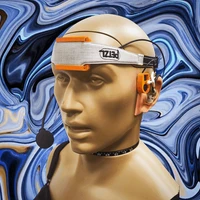
This paper presents a configurable version of Extreme Bandwidth Extension Network (EBEN), a Generative Adversarial Network (GAN) designed to improve audio captured with body-conduction microphones. We show that although these microphones significantly reduce environmental noise, this insensitivity to ambient noise happens at the expense of the bandwidth of the speech signal acquired by the wearer of the devices. The obtained captured signals therefore require the use of signal enhancement techniques to recover the full-bandwidth speech. EBEN leverages a configurable multiband decomposition of the raw captured signal. This decomposition allows the data time domain dimensions to be reduced and the full band signal to be better controlled. The multiband representation of the captured signal is processed through a U-Net-like model, which combines feature and adversarial losses to generate an enhanced speech signal. We also benefit from this original representation in the proposed configurable discriminators architecture. The configurable EBEN approach can achieve state-of-the-art enhancement results on synthetic data with a lightweight generator that allows real-time processing.


Psychoacoustic Challenges Of Speech Enhancement On VoIP Platforms
Within the ambit of VoIP (Voice over Internet Protocol) telecommunications, the complexities introduced by acoustic transformations merit rigorous analysis. This research, rooted in the exploration of proprietary sender-side denoising effects, meticulously evaluates platforms such as Google Meets and Zoom. The study draws upon the Deep Noise Suppression (DNS) 2020 dataset, ensuring a structured examination tailored to various denoising settings and receiver interfaces. A methodological novelty is introduced via Blinder-Oaxaca decomposition, traditionally an econometric tool, repurposed herein to analyze acoustic-phonetic perturbations within VoIP systems. To further ground the implications of these transformations, psychoacoustic metrics, specifically PESQ and STOI, were used to explain of perceptual quality and intelligibility. Cumulatively, the insights garnered underscore the intricate landscape of VoIP-influenced acoustic dynamics. In addition to the primary findings, a multitude of metrics are reported, extending the research purview. Moreover, out-of-domain benchmarking for both time and time-frequency domain speech enhancement models is included, thereby enhancing the depth and applicability of this inquiry.

Perceptually Accurate 3D Talking Head Generation: New Definitions, Speech-Mesh Representation, and Evaluation Metrics
Recent advancements in speech-driven 3D talking head generation have made significant progress in lip synchronization. However, existing models still struggle to capture the perceptual alignment between varying speech characteristics and corresponding lip movements. In this work, we claim that three criteria -- Temporal Synchronization, Lip Readability, and Expressiveness -- are crucial for achieving perceptually accurate lip movements. Motivated by our hypothesis that a desirable representation space exists to meet these three criteria, we introduce a speech-mesh synchronized representation that captures intricate correspondences between speech signals and 3D face meshes. We found that our learned representation exhibits desirable characteristics, and we plug it into existing models as a perceptual loss to better align lip movements to the given speech. In addition, we utilize this representation as a perceptual metric and introduce two other physically grounded lip synchronization metrics to assess how well the generated 3D talking heads align with these three criteria. Experiments show that training 3D talking head generation models with our perceptual loss significantly improve all three aspects of perceptually accurate lip synchronization. Codes and datasets are available at https://perceptual-3d-talking-head.github.io/.




OmniSync: Towards Universal Lip Synchronization via Diffusion Transformers
Lip synchronization is the task of aligning a speaker's lip movements in video with corresponding speech audio, and it is essential for creating realistic, expressive video content. However, existing methods often rely on reference frames and masked-frame inpainting, which limit their robustness to identity consistency, pose variations, facial occlusions, and stylized content. In addition, since audio signals provide weaker conditioning than visual cues, lip shape leakage from the original video will affect lip sync quality. In this paper, we present OmniSync, a universal lip synchronization framework for diverse visual scenarios. Our approach introduces a mask-free training paradigm using Diffusion Transformer models for direct frame editing without explicit masks, enabling unlimited-duration inference while maintaining natural facial dynamics and preserving character identity. During inference, we propose a flow-matching-based progressive noise initialization to ensure pose and identity consistency, while allowing precise mouth-region editing. To address the weak conditioning signal of audio, we develop a Dynamic Spatiotemporal Classifier-Free Guidance (DS-CFG) mechanism that adaptively adjusts guidance strength over time and space. We also establish the AIGC-LipSync Benchmark, the first evaluation suite for lip synchronization in diverse AI-generated videos. Extensive experiments demonstrate that OmniSync significantly outperforms prior methods in both visual quality and lip sync accuracy, achieving superior results in both real-world and AI-generated videos.
AdaptVC: High Quality Voice Conversion with Adaptive Learning
The goal of voice conversion is to transform the speech of a source speaker to sound like that of a reference speaker while preserving the original content. A key challenge is to extract disentangled linguistic content from the source and voice style from the reference. While existing approaches leverage various methods to isolate the two, a generalization still requires further attention, especially for robustness in zero-shot scenarios. In this paper, we achieve successful disentanglement of content and speaker features by tuning self-supervised speech features with adapters. The adapters are trained to dynamically encode nuanced features from rich self-supervised features, and the decoder fuses them to produce speech that accurately resembles the reference with minimal loss of content. Moreover, we leverage a conditional flow matching decoder with cross-attention speaker conditioning to further boost the synthesis quality and efficiency. Subjective and objective evaluations in a zero-shot scenario demonstrate that the proposed method outperforms existing models in speech quality and similarity to the reference speech.
Property-Aware Multi-Speaker Data Simulation: A Probabilistic Modelling Technique for Synthetic Data Generation
We introduce a sophisticated multi-speaker speech data simulator, specifically engineered to generate multi-speaker speech recordings. A notable feature of this simulator is its capacity to modulate the distribution of silence and overlap via the adjustment of statistical parameters. This capability offers a tailored training environment for developing neural models suited for speaker diarization and voice activity detection. The acquisition of substantial datasets for speaker diarization often presents a significant challenge, particularly in multi-speaker scenarios. Furthermore, the precise time stamp annotation of speech data is a critical factor for training both speaker diarization and voice activity detection. Our proposed multi-speaker simulator tackles these problems by generating large-scale audio mixtures that maintain statistical properties closely aligned with the input parameters. We demonstrate that the proposed multi-speaker simulator generates audio mixtures with statistical properties that closely align with the input parameters derived from real-world statistics. Additionally, we present the effectiveness of speaker diarization and voice activity detection models, which have been trained exclusively on the generated simulated datasets.

Leveraging Content-based Features from Multiple Acoustic Models for Singing Voice Conversion
Singing voice conversion (SVC) is a technique to enable an arbitrary singer to sing an arbitrary song. To achieve that, it is important to obtain speaker-agnostic representations from source audio, which is a challenging task. A common solution is to extract content-based features (e.g., PPGs) from a pretrained acoustic model. However, the choices for acoustic models are vast and varied. It is yet to be explored what characteristics of content features from different acoustic models are, and whether integrating multiple content features can help each other. Motivated by that, this study investigates three distinct content features, sourcing from WeNet, Whisper, and ContentVec, respectively. We explore their complementary roles in intelligibility, prosody, and conversion similarity for SVC. By integrating the multiple content features with a diffusion-based SVC model, our SVC system achieves superior conversion performance on both objective and subjective evaluation in comparison to a single source of content features. Our demo page and code can be available https://www.zhangxueyao.com/data/MultipleContentsSVC/index.html.

Wideband Relative Transfer Function (RTF) Estimation Exploiting Frequency Correlations
This article focuses on estimating relative transfer functions (RTFs) for beamforming applications. Traditional methods often assume that spectra are uncorrelated, an assumption that is often violated in practical scenarios due to factors such as time-domain windowing or the non-stationary nature of signals, as observed in speech. To overcome these limitations, we propose an RTF estimation technique that leverages spectral and spatial correlations through subspace analysis. Additionally, we derive Cram\'er--Rao bounds (CRBs) for the RTF estimation task, providing theoretical insights into the achievable estimation accuracy. These bounds reveal that channel estimation can be performed more accurately if the noise or the target signal exhibits spectral correlations. Experiments with both real and synthetic data show that our technique outperforms the narrowband maximum-likelihood estimator, known as covariance whitening (CW), when the target exhibits spectral correlations. Although the proposed algorithm generally achieves accuracy close to the theoretical bound, there is potential for further improvement, especially in scenarios with highly spectrally correlated noise. While channel estimation has various applications, we demonstrate the method using a minimum variance distortionless (MVDR) beamformer for multichannel speech enhancement. A free Python implementation is also provided.
Vevo: Controllable Zero-Shot Voice Imitation with Self-Supervised Disentanglement
The imitation of voice, targeted on specific speech attributes such as timbre and speaking style, is crucial in speech generation. However, existing methods rely heavily on annotated data, and struggle with effectively disentangling timbre and style, leading to challenges in achieving controllable generation, especially in zero-shot scenarios. To address these issues, we propose Vevo, a versatile zero-shot voice imitation framework with controllable timbre and style. Vevo operates in two core stages: (1) Content-Style Modeling: Given either text or speech's content tokens as input, we utilize an autoregressive transformer to generate the content-style tokens, which is prompted by a style reference; (2) Acoustic Modeling: Given the content-style tokens as input, we employ a flow-matching transformer to produce acoustic representations, which is prompted by a timbre reference. To obtain the content and content-style tokens of speech, we design a fully self-supervised approach that progressively decouples the timbre, style, and linguistic content of speech. Specifically, we adopt VQ-VAE as the tokenizer for the continuous hidden features of HuBERT. We treat the vocabulary size of the VQ-VAE codebook as the information bottleneck, and adjust it carefully to obtain the disentangled speech representations. Solely self-supervised trained on 60K hours of audiobook speech data, without any fine-tuning on style-specific corpora, Vevo matches or surpasses existing methods in accent and emotion conversion tasks. Additionally, Vevo's effectiveness in zero-shot voice conversion and text-to-speech tasks further demonstrates its strong generalization and versatility. Audio samples are available at https://versavoice.github.io.
DDSP: Differentiable Digital Signal Processing
Most generative models of audio directly generate samples in one of two domains: time or frequency. While sufficient to express any signal, these representations are inefficient, as they do not utilize existing knowledge of how sound is generated and perceived. A third approach (vocoders/synthesizers) successfully incorporates strong domain knowledge of signal processing and perception, but has been less actively researched due to limited expressivity and difficulty integrating with modern auto-differentiation-based machine learning methods. In this paper, we introduce the Differentiable Digital Signal Processing (DDSP) library, which enables direct integration of classic signal processing elements with deep learning methods. Focusing on audio synthesis, we achieve high-fidelity generation without the need for large autoregressive models or adversarial losses, demonstrating that DDSP enables utilizing strong inductive biases without losing the expressive power of neural networks. Further, we show that combining interpretable modules permits manipulation of each separate model component, with applications such as independent control of pitch and loudness, realistic extrapolation to pitches not seen during training, blind dereverberation of room acoustics, transfer of extracted room acoustics to new environments, and transformation of timbre between disparate sources. In short, DDSP enables an interpretable and modular approach to generative modeling, without sacrificing the benefits of deep learning. The library is publicly available at https://github.com/magenta/ddsp and we welcome further contributions from the community and domain experts.

Certification of Speaker Recognition Models to Additive Perturbations
Speaker recognition technology is applied to various tasks, from personal virtual assistants to secure access systems. However, the robustness of these systems against adversarial attacks, particularly to additive perturbations, remains a significant challenge. In this paper, we pioneer applying robustness certification techniques to speaker recognition, initially developed for the image domain. Our work covers this gap by transferring and improving randomized smoothing certification techniques against norm-bounded additive perturbations for classification and few-shot learning tasks to speaker recognition. We demonstrate the effectiveness of these methods on VoxCeleb 1 and 2 datasets for several models. We expect this work to improve the robustness of voice biometrics and accelerate the research of certification methods in the audio domain.

SALSA: Spatial Cue-Augmented Log-Spectrogram Features for Polyphonic Sound Event Localization and Detection
Sound event localization and detection (SELD) consists of two subtasks, which are sound event detection and direction-of-arrival estimation. While sound event detection mainly relies on time-frequency patterns to distinguish different sound classes, direction-of-arrival estimation uses amplitude and/or phase differences between microphones to estimate source directions. As a result, it is often difficult to jointly optimize these two subtasks. We propose a novel feature called Spatial cue-Augmented Log-SpectrogrAm (SALSA) with exact time-frequency mapping between the signal power and the source directional cues, which is crucial for resolving overlapping sound sources. The SALSA feature consists of multichannel log-spectrograms stacked along with the normalized principal eigenvector of the spatial covariance matrix at each corresponding time-frequency bin. Depending on the microphone array format, the principal eigenvector can be normalized differently to extract amplitude and/or phase differences between the microphones. As a result, SALSA features are applicable for different microphone array formats such as first-order ambisonics (FOA) and multichannel microphone array (MIC). Experimental results on the TAU-NIGENS Spatial Sound Events 2021 dataset with directional interferences showed that SALSA features outperformed other state-of-the-art features. Specifically, the use of SALSA features in the FOA format increased the F1 score and localization recall by 6% each, compared to the multichannel log-mel spectrograms with intensity vectors. For the MIC format, using SALSA features increased F1 score and localization recall by 16% and 7%, respectively, compared to using multichannel log-mel spectrograms with generalized cross-correlation spectra.

HiFi-GAN: Generative Adversarial Networks for Efficient and High Fidelity Speech Synthesis
Several recent work on speech synthesis have employed generative adversarial networks (GANs) to produce raw waveforms. Although such methods improve the sampling efficiency and memory usage, their sample quality has not yet reached that of autoregressive and flow-based generative models. In this work, we propose HiFi-GAN, which achieves both efficient and high-fidelity speech synthesis. As speech audio consists of sinusoidal signals with various periods, we demonstrate that modeling periodic patterns of an audio is crucial for enhancing sample quality. A subjective human evaluation (mean opinion score, MOS) of a single speaker dataset indicates that our proposed method demonstrates similarity to human quality while generating 22.05 kHz high-fidelity audio 167.9 times faster than real-time on a single V100 GPU. We further show the generality of HiFi-GAN to the mel-spectrogram inversion of unseen speakers and end-to-end speech synthesis. Finally, a small footprint version of HiFi-GAN generates samples 13.4 times faster than real-time on CPU with comparable quality to an autoregressive counterpart.

DiffAR: Denoising Diffusion Autoregressive Model for Raw Speech Waveform Generation
Diffusion models have recently been shown to be relevant for high-quality speech generation. Most work has been focused on generating spectrograms, and as such, they further require a subsequent model to convert the spectrogram to a waveform (i.e., a vocoder). This work proposes a diffusion probabilistic end-to-end model for generating a raw speech waveform. The proposed model is autoregressive, generating overlapping frames sequentially, where each frame is conditioned on a portion of the previously generated one. Hence, our model can effectively synthesize an unlimited speech duration while preserving high-fidelity synthesis and temporal coherence. We implemented the proposed model for unconditional and conditional speech generation, where the latter can be driven by an input sequence of phonemes, amplitudes, and pitch values. Working on the waveform directly has some empirical advantages. Specifically, it allows the creation of local acoustic behaviors, like vocal fry, which makes the overall waveform sounds more natural. Furthermore, the proposed diffusion model is stochastic and not deterministic; therefore, each inference generates a slightly different waveform variation, enabling abundance of valid realizations. Experiments show that the proposed model generates speech with superior quality compared with other state-of-the-art neural speech generation systems.

Masked Generative Video-to-Audio Transformers with Enhanced Synchronicity
Video-to-audio (V2A) generation leverages visual-only video features to render plausible sounds that match the scene. Importantly, the generated sound onsets should match the visual actions that are aligned with them, otherwise unnatural synchronization artifacts arise. Recent works have explored the progression of conditioning sound generators on still images and then video features, focusing on quality and semantic matching while ignoring synchronization, or by sacrificing some amount of quality to focus on improving synchronization only. In this work, we propose a V2A generative model, named MaskVAT, that interconnects a full-band high-quality general audio codec with a sequence-to-sequence masked generative model. This combination allows modeling both high audio quality, semantic matching, and temporal synchronicity at the same time. Our results show that, by combining a high-quality codec with the proper pre-trained audio-visual features and a sequence-to-sequence parallel structure, we are able to yield highly synchronized results on one hand, whilst being competitive with the state of the art of non-codec generative audio models. Sample videos and generated audios are available at https://maskvat.github.io .

HRTFformer: A Spatially-Aware Transformer for Personalized HRTF Upsampling in Immersive Audio Rendering
Personalized Head-Related Transfer Functions (HRTFs) are starting to be introduced in many commercial immersive audio applications and are crucial for realistic spatial audio rendering. However, one of the main hesitations regarding their introduction is that creating personalized HRTFs is impractical at scale due to the complexities of the HRTF measurement process. To mitigate this drawback, HRTF spatial upsampling has been proposed with the aim of reducing measurements required. While prior work has seen success with different machine learning (ML) approaches, these models often struggle with long-range spatial consistency and generalization at high upsampling factors. In this paper, we propose a novel transformer-based architecture for HRTF upsampling, leveraging the attention mechanism to better capture spatial correlations across the HRTF sphere. Working in the spherical harmonic (SH) domain, our model learns to reconstruct high-resolution HRTFs from sparse input measurements with significantly improved accuracy. To enhance spatial coherence, we introduce a neighbor dissimilarity loss that promotes magnitude smoothness, yielding more realistic upsampling. We evaluate our method using both perceptual localization models and objective spectral distortion metrics. Experiments show that our model surpasses leading methods by a substantial margin in generating realistic, high-fidelity HRTFs.
Hybrid Audio Detection Using Fine-Tuned Audio Spectrogram Transformers: A Dataset-Driven Evaluation of Mixed AI-Human Speech
The rapid advancement of artificial intelligence (AI) has enabled sophisticated audio generation and voice cloning technologies, posing significant security risks for applications reliant on voice authentication. While existing datasets and models primarily focus on distinguishing between human and fully synthetic speech, real-world attacks often involve audio that combines both genuine and cloned segments. To address this gap, we construct a novel hybrid audio dataset incorporating human, AI-generated, cloned, and mixed audio samples. We further propose fine-tuned Audio Spectrogram Transformer (AST)-based models tailored for detecting these complex acoustic patterns. Extensive experiments demonstrate that our approach significantly outperforms existing baselines in mixed-audio detection, achieving 97\% classification accuracy. Our findings highlight the importance of hybrid datasets and tailored models in advancing the robustness of speech-based authentication systems.
Convoifilter: A case study of doing cocktail party speech recognition
This paper presents an end-to-end model designed to improve automatic speech recognition (ASR) for a particular speaker in a crowded, noisy environment. The model utilizes a single-channel speech enhancement module that isolates the speaker's voice from background noise, along with an ASR module. Through this approach, the model is able to decrease the word error rate (WER) of ASR from 80% to 26.4%. Typically, these two components are adjusted independently due to variations in data requirements. However, speech enhancement can create anomalies that decrease ASR efficiency. By implementing a joint fine-tuning strategy, the model can reduce the WER from 26.4% in separate tuning to 14.5% in joint tuning.

Multimodal Data and Resource Efficient Device-Directed Speech Detection with Large Foundation Models
Interactions with virtual assistants typically start with a trigger phrase followed by a command. In this work, we explore the possibility of making these interactions more natural by eliminating the need for a trigger phrase. Our goal is to determine whether a user addressed the virtual assistant based on signals obtained from the streaming audio recorded by the device microphone. We address this task by combining 1-best hypotheses and decoder signals from an automatic speech recognition system with acoustic representations from an audio encoder as input features to a large language model (LLM). In particular, we are interested in data and resource efficient systems that require only a small amount of training data and can operate in scenarios with only a single frozen LLM available on a device. For this reason, our model is trained on 80k or less examples of multimodal data using a combination of low-rank adaptation and prefix tuning. We compare the proposed system to unimodal baselines and show that the multimodal approach achieves lower equal-error-rates (EERs), while using only a fraction of the training data. We also show that low-dimensional specialized audio representations lead to lower EERs than high-dimensional general audio representations.


Measuring the Robustness of Audio Deepfake Detectors
Deepfakes have become a universal and rapidly intensifying concern of generative AI across various media types such as images, audio, and videos. Among these, audio deepfakes have been of particular concern due to the ease of high-quality voice synthesis and distribution via platforms such as social media and robocalls. Consequently, detecting audio deepfakes plays a critical role in combating the growing misuse of AI-synthesized speech. However, real-world scenarios often introduce various audio corruptions, such as noise, modification, and compression, that may significantly impact detection performance. This work systematically evaluates the robustness of 10 audio deepfake detection models against 16 common corruptions, categorized into noise perturbation, audio modification, and compression. Using both traditional deep learning models and state-of-the-art foundation models, we make four unique observations. First, our findings show that while most models demonstrate strong robustness to noise, they are notably more vulnerable to modifications and compression, especially when neural codecs are applied. Second, speech foundation models generally outperform traditional models across most scenarios, likely due to their self-supervised learning paradigm and large-scale pre-training. Third, our results show that increasing model size improves robustness, albeit with diminishing returns. Fourth, we demonstrate how targeted data augmentation during training can enhance model resilience to unseen perturbations. A case study on political speech deepfakes highlights the effectiveness of foundation models in achieving high accuracy under real-world conditions. These findings emphasize the importance of developing more robust detection frameworks to ensure reliability in practical deployment settings.
Low-Complexity Acoustic Echo Cancellation with Neural Kalman Filtering
The Kalman filter has been adopted in acoustic echo cancellation due to its robustness to double-talk, fast convergence, and good steady-state performance. The performance of Kalman filter is closely related to the estimation accuracy of the state noise covariance and the observation noise covariance. The estimation error may lead to unacceptable results, especially when the echo path suffers abrupt changes, the tracking performance of the Kalman filter could be degraded significantly. In this paper, we propose the neural Kalman filtering (NKF), which uses neural networks to implicitly model the covariance of the state noise and observation noise and to output the Kalman gain in real-time. Experimental results on both synthetic test sets and real-recorded test sets show that, the proposed NKF has superior convergence and re-convergence performance while ensuring low near-end speech degradation comparing with the state-of-the-art model-based methods. Moreover, the model size of the proposed NKF is merely 5.3 K and the RTF is as low as 0.09, which indicates that it can be deployed in low-resource platforms.
UnivNet: A Neural Vocoder with Multi-Resolution Spectrogram Discriminators for High-Fidelity Waveform Generation
Most neural vocoders employ band-limited mel-spectrograms to generate waveforms. If full-band spectral features are used as the input, the vocoder can be provided with as much acoustic information as possible. However, in some models employing full-band mel-spectrograms, an over-smoothing problem occurs as part of which non-sharp spectrograms are generated. To address this problem, we propose UnivNet, a neural vocoder that synthesizes high-fidelity waveforms in real time. Inspired by works in the field of voice activity detection, we added a multi-resolution spectrogram discriminator that employs multiple linear spectrogram magnitudes computed using various parameter sets. Using full-band mel-spectrograms as input, we expect to generate high-resolution signals by adding a discriminator that employs spectrograms of multiple resolutions as the input. In an evaluation on a dataset containing information on hundreds of speakers, UnivNet obtained the best objective and subjective results among competing models for both seen and unseen speakers. These results, including the best subjective score for text-to-speech, demonstrate the potential for fast adaptation to new speakers without a need for training from scratch.
Less is More for Synthetic Speech Detection in the Wild
Driven by advances in self-supervised learning for speech, state-of-the-art synthetic speech detectors have achieved low error rates on popular benchmarks such as ASVspoof. However, prior benchmarks do not address the wide range of real-world variability in speech. Are reported error rates realistic in real-world conditions? To assess detector failure modes and robustness under controlled distribution shifts, we introduce ShiftySpeech, a benchmark with more than 3000 hours of synthetic speech from 7 domains, 6 TTS systems, 12 vocoders, and 3 languages. We found that all distribution shifts degraded model performance, and contrary to prior findings, training on more vocoders, speakers, or with data augmentation did not guarantee better generalization. In fact, we found that training on less diverse data resulted in better generalization, and that a detector fit using samples from a single carefully selected vocoder and a single speaker achieved state-of-the-art results on the challenging In-the-Wild benchmark.


RealTalk: Real-time and Realistic Audio-driven Face Generation with 3D Facial Prior-guided Identity Alignment Network
Person-generic audio-driven face generation is a challenging task in computer vision. Previous methods have achieved remarkable progress in audio-visual synchronization, but there is still a significant gap between current results and practical applications. The challenges are two-fold: 1) Preserving unique individual traits for achieving high-precision lip synchronization. 2) Generating high-quality facial renderings in real-time performance. In this paper, we propose a novel generalized audio-driven framework RealTalk, which consists of an audio-to-expression transformer and a high-fidelity expression-to-face renderer. In the first component, we consider both identity and intra-personal variation features related to speaking lip movements. By incorporating cross-modal attention on the enriched facial priors, we can effectively align lip movements with audio, thus attaining greater precision in expression prediction. In the second component, we design a lightweight facial identity alignment (FIA) module which includes a lip-shape control structure and a face texture reference structure. This novel design allows us to generate fine details in real-time, without depending on sophisticated and inefficient feature alignment modules. Our experimental results, both quantitative and qualitative, on public datasets demonstrate the clear advantages of our method in terms of lip-speech synchronization and generation quality. Furthermore, our method is efficient and requires fewer computational resources, making it well-suited to meet the needs of practical applications.





Visualizing Sound Directivity via Smartphone Sensors
We present a fast, simple method for automated data acquisition and visualization of sound directivity, made convenient and accessible via a smartphone app, "Polar Pattern Plotter." The app synchronizes measurements of sound volume with the phone's angular orientation obtained from either compass, gyroscope or accelerometer sensors and produces a graph and exportable data file. It is generalizable to various sound sources and receivers via the use of an input-jack-adaptor to supplant the smartphone's (omnidirectional) microphone. Results provide both a visual and quantitative representation of sound fields and device responses, adequate for introductory physics experiments.

Did You Hear That? Introducing AADG: A Framework for Generating Benchmark Data in Audio Anomaly Detection
We introduce a novel, general-purpose audio generation framework specifically designed for anomaly detection and localization. Unlike existing datasets that predominantly focus on industrial and machine-related sounds, our framework focuses a broader range of environments, particularly useful in real-world scenarios where only audio data are available, such as in video-derived or telephonic audio. To generate such data, we propose a new method inspired by the LLM-Modulo framework, which leverages large language models(LLMs) as world models to simulate such real-world scenarios. This tool is modular allowing a plug-and-play approach. It operates by first using LLMs to predict plausible real-world scenarios. An LLM further extracts the constituent sounds, the order and the way in which these should be merged to create coherent wholes. Much like the LLM-Modulo framework, we include rigorous verification of each output stage, ensuring the reliability of the generated data. The data produced using the framework serves as a benchmark for anomaly detection applications, potentially enhancing the performance of models trained on audio data, particularly in handling out-of-distribution cases. Our contributions thus fill a critical void in audio anomaly detection resources and provide a scalable tool for generating diverse, realistic audio data.
Singing voice synthesis based on frame-level sequence-to-sequence models considering vocal timing deviation
This paper proposes singing voice synthesis (SVS) based on frame-level sequence-to-sequence models considering vocal timing deviation. In SVS, it is essential to synchronize the timing of singing with temporal structures represented by scores, taking into account that there are differences between actual vocal timing and note start timing. In many SVS systems including our previous work, phoneme-level score features are converted into frame-level ones on the basis of phoneme boundaries obtained by external aligners to take into account vocal timing deviations. Therefore, the sound quality is affected by the aligner accuracy in this system. To alleviate this problem, we introduce an attention mechanism with frame-level features. In the proposed system, the attention mechanism absorbs alignment errors in phoneme boundaries. Additionally, we evaluate the system with pseudo-phoneme-boundaries defined by heuristic rules based on musical scores when there is no aligner. The experimental results show the effectiveness of the proposed system.

CLIPSep: Learning Text-queried Sound Separation with Noisy Unlabeled Videos
Recent years have seen progress beyond domain-specific sound separation for speech or music towards universal sound separation for arbitrary sounds. Prior work on universal sound separation has investigated separating a target sound out of an audio mixture given a text query. Such text-queried sound separation systems provide a natural and scalable interface for specifying arbitrary target sounds. However, supervised text-queried sound separation systems require costly labeled audio-text pairs for training. Moreover, the audio provided in existing datasets is often recorded in a controlled environment, causing a considerable generalization gap to noisy audio in the wild. In this work, we aim to approach text-queried universal sound separation by using only unlabeled data. We propose to leverage the visual modality as a bridge to learn the desired audio-textual correspondence. The proposed CLIPSep model first encodes the input query into a query vector using the contrastive language-image pretraining (CLIP) model, and the query vector is then used to condition an audio separation model to separate out the target sound. While the model is trained on image-audio pairs extracted from unlabeled videos, at test time we can instead query the model with text inputs in a zero-shot setting, thanks to the joint language-image embedding learned by the CLIP model. Further, videos in the wild often contain off-screen sounds and background noise that may hinder the model from learning the desired audio-textual correspondence. To address this problem, we further propose an approach called noise invariant training for training a query-based sound separation model on noisy data. Experimental results show that the proposed models successfully learn text-queried universal sound separation using only noisy unlabeled videos, even achieving competitive performance against a supervised model in some settings.



CodecFake: Enhancing Anti-Spoofing Models Against Deepfake Audios from Codec-Based Speech Synthesis Systems
Current state-of-the-art (SOTA) codec-based audio synthesis systems can mimic anyone's voice with just a 3-second sample from that specific unseen speaker. Unfortunately, malicious attackers may exploit these technologies, causing misuse and security issues. Anti-spoofing models have been developed to detect fake speech. However, the open question of whether current SOTA anti-spoofing models can effectively counter deepfake audios from codec-based speech synthesis systems remains unanswered. In this paper, we curate an extensive collection of contemporary SOTA codec models, employing them to re-create synthesized speech. This endeavor leads to the creation of CodecFake, the first codec-based deepfake audio dataset. Additionally, we verify that anti-spoofing models trained on commonly used datasets cannot detect synthesized speech from current codec-based speech generation systems. The proposed CodecFake dataset empowers these models to counter this challenge effectively.
Both Ears Wide Open: Towards Language-Driven Spatial Audio Generation
Recently, diffusion models have achieved great success in mono-channel audio generation. However, when it comes to stereo audio generation, the soundscapes often have a complex scene of multiple objects and directions. Controlling stereo audio with spatial contexts remains challenging due to high data costs and unstable generative models. To the best of our knowledge, this work represents the first attempt to address these issues. We first construct a large-scale, simulation-based, and GPT-assisted dataset, BEWO-1M, with abundant soundscapes and descriptions even including moving and multiple sources. Beyond text modality, we have also acquired a set of images and rationally paired stereo audios through retrieval to advance multimodal generation. Existing audio generation models tend to generate rather random and indistinct spatial audio. To provide accurate guidance for Latent Diffusion Models, we introduce the SpatialSonic model utilizing spatial-aware encoders and azimuth state matrices to reveal reasonable spatial guidance. By leveraging spatial guidance, our model not only achieves the objective of generating immersive and controllable spatial audio from text but also extends to other modalities as the pioneer attempt. Finally, under fair settings, we conduct subjective and objective evaluations on simulated and real-world data to compare our approach with prevailing methods. The results demonstrate the effectiveness of our method, highlighting its capability to generate spatial audio that adheres to physical rules.

IntrinsicVoice: Empowering LLMs with Intrinsic Real-time Voice Interaction Abilities
Current methods of building LLMs with voice interaction capabilities rely heavily on explicit text autoregressive generation before or during speech response generation to maintain content quality, which unfortunately brings computational overhead and increases latency in multi-turn interactions. To address this, we introduce IntrinsicVoic,e an LLM designed with intrinsic real-time voice interaction capabilities. IntrinsicVoice aims to facilitate the transfer of textual capabilities of pre-trained LLMs to the speech modality by mitigating the modality gap between text and speech. Our novelty architecture, GroupFormer, can reduce speech sequences to lengths comparable to text sequences while generating high-quality audio, significantly reducing the length difference between speech and text, speeding up inference, and alleviating long-text modeling issues. Additionally, we construct a multi-turn speech-to-speech dialogue dataset named \method-500k which includes nearly 500k turns of speech-to-speech dialogues, and a cross-modality training strategy to enhance the semantic alignment between speech and text. Experimental results demonstrate that IntrinsicVoice can generate high-quality speech response with latency lower than 100ms in multi-turn dialogue scenarios. Demos are available at https://instrinsicvoice.github.io/.
LibriheavyMix: A 20,000-Hour Dataset for Single-Channel Reverberant Multi-Talker Speech Separation, ASR and Speaker Diarization
The evolving speech processing landscape is increasingly focused on complex scenarios like meetings or cocktail parties with multiple simultaneous speakers and far-field conditions. Existing methodologies for addressing these challenges fall into two categories: multi-channel and single-channel solutions. Single-channel approaches, notable for their generality and convenience, do not require specific information about microphone arrays. This paper presents a large-scale far-field overlapping speech dataset, crafted to advance research in speech separation, recognition, and speaker diarization. This dataset is a critical resource for decoding ``Who said What and When'' in multi-talker, reverberant environments, a daunting challenge in the field. Additionally, we introduce a pipeline system encompassing speech separation, recognition, and diarization as a foundational benchmark. Evaluations on the WHAMR! dataset validate the broad applicability of the proposed data.


UniFlow-Audio: Unified Flow Matching for Audio Generation from Omni-Modalities
Audio generation, including speech, music and sound effects, has advanced rapidly in recent years. These tasks can be divided into two categories: time-aligned (TA) tasks, where each input unit corresponds to a specific segment of the output audio (e.g., phonemes aligned with frames in speech synthesis); and non-time-aligned (NTA) tasks, where such alignment is not available. Since modeling paradigms for the two types are typically different, research on different audio generation tasks has traditionally followed separate trajectories. However, audio is not inherently divided into such categories, making a unified model a natural and necessary goal for general audio generation. Previous unified audio generation works have adopted autoregressive architectures, while unified non-autoregressive approaches remain largely unexplored. In this work, we propose UniFlow-Audio, a universal audio generation framework based on flow matching. We propose a dual-fusion mechanism that temporally aligns audio latents with TA features and integrates NTA features via cross-attention in each model block. Task-balanced data sampling is employed to maintain strong performance across both TA and NTA tasks. UniFlow-Audio supports omni-modalities, including text, audio, and video. By leveraging the advantage of multi-task learning and the generative modeling capabilities of flow matching, UniFlow-Audio achieves strong results across 7 tasks using fewer than 8K hours of public training data and under 1B trainable parameters. Even the small variant with only ~200M trainable parameters shows competitive performance, highlighting UniFlow-Audio as a potential non-auto-regressive foundation model for audio generation. Code and models will be available at https://wsntxxn.github.io/uniflow_audio.


Two Views, One Truth: Spectral and Self-Supervised Features Fusion for Robust Speech Deepfake Detection
Recent advances in synthetic speech have made audio deepfakes increasingly realistic, posing significant security risks. Existing detection methods that rely on a single modality, either raw waveform embeddings or spectral based features, are vulnerable to non spoof disturbances and often overfit to known forgery algorithms, resulting in poor generalization to unseen attacks. To address these shortcomings, we investigate hybrid fusion frameworks that integrate self supervised learning (SSL) based representations with handcrafted spectral descriptors (MFCC , LFCC, CQCC). By aligning and combining complementary information across modalities, these fusion approaches capture subtle artifacts that single feature approaches typically overlook. We explore several fusion strategies, including simple concatenation, cross attention, mutual cross attention, and a learnable gating mechanism, to optimally blend SSL features with fine grained spectral cues. We evaluate our approach on four challenging public benchmarks and report generalization performance. All fusion variants consistently outperform an SSL only baseline, with the cross attention strategy achieving the best generalization with a 38% relative reduction in equal error rate (EER). These results confirm that joint modeling of waveform and spectral views produces robust, domain agnostic representations for audio deepfake detection.
Wavehax: Aliasing-Free Neural Waveform Synthesis Based on 2D Convolution and Harmonic Prior for Reliable Complex Spectrogram Estimation
Neural vocoders often struggle with aliasing in latent feature spaces, caused by time-domain nonlinear operations and resampling layers. Aliasing folds high-frequency components into the low-frequency range, making aliased and original frequency components indistinguishable and introducing two practical issues. First, aliasing complicates the waveform generation process, as the subsequent layers must address these aliasing effects, increasing the computational complexity. Second, it limits extrapolation performance, particularly in handling high fundamental frequencies, which degrades the perceptual quality of generated speech waveforms. This paper demonstrates that 1) time-domain nonlinear operations inevitably introduce aliasing but provide a strong inductive bias for harmonic generation, and 2) time-frequency-domain processing can achieve aliasing-free waveform synthesis but lacks the inductive bias for effective harmonic generation. Building on this insight, we propose Wavehax, an aliasing-free neural WAVEform generator that integrates 2D convolution and a HArmonic prior for reliable Complex Spectrogram estimation. Experimental results show that Wavehax achieves speech quality comparable to existing high-fidelity neural vocoders and exhibits exceptional robustness in scenarios requiring high fundamental frequency extrapolation, where aliasing effects become typically severe. Moreover, Wavehax requires less than 5% of the multiply-accumulate operations and model parameters compared to HiFi-GAN V1, while achieving over four times faster CPU inference speed.
VQMIVC: Vector Quantization and Mutual Information-Based Unsupervised Speech Representation Disentanglement for One-shot Voice Conversion
One-shot voice conversion (VC), which performs conversion across arbitrary speakers with only a single target-speaker utterance for reference, can be effectively achieved by speech representation disentanglement. Existing work generally ignores the correlation between different speech representations during training, which causes leakage of content information into the speaker representation and thus degrades VC performance. To alleviate this issue, we employ vector quantization (VQ) for content encoding and introduce mutual information (MI) as the correlation metric during training, to achieve proper disentanglement of content, speaker and pitch representations, by reducing their inter-dependencies in an unsupervised manner. Experimental results reflect the superiority of the proposed method in learning effective disentangled speech representations for retaining source linguistic content and intonation variations, while capturing target speaker characteristics. In doing so, the proposed approach achieves higher speech naturalness and speaker similarity than current state-of-the-art one-shot VC systems. Our code, pre-trained models and demo are available at https://github.com/Wendison/VQMIVC.
Stable-TTS: Stable Speaker-Adaptive Text-to-Speech Synthesis via Prosody Prompting
Speaker-adaptive Text-to-Speech (TTS) synthesis has attracted considerable attention due to its broad range of applications, such as personalized voice assistant services. While several approaches have been proposed, they often exhibit high sensitivity to either the quantity or the quality of target speech samples. To address these limitations, we introduce Stable-TTS, a novel speaker-adaptive TTS framework that leverages a small subset of a high-quality pre-training dataset, referred to as prior samples. Specifically, Stable-TTS achieves prosody consistency by leveraging the high-quality prosody of prior samples, while effectively capturing the timbre of the target speaker. Additionally, it employs a prior-preservation loss during fine-tuning to maintain the synthesis ability for prior samples to prevent overfitting on target samples. Extensive experiments demonstrate the effectiveness of Stable-TTS even under limited amounts of and noisy target speech samples.
Enhance audio generation controllability through representation similarity regularization
This paper presents an innovative approach to enhance control over audio generation by emphasizing the alignment between audio and text representations during model training. In the context of language model-based audio generation, the model leverages input from both textual and audio token representations to predict subsequent audio tokens. However, the current configuration lacks explicit regularization to ensure the alignment between the chosen text representation and the language model's predictions. Our proposal involves the incorporation of audio and text representation regularization, particularly during the classifier-free guidance (CFG) phase, where the text condition is excluded from cross attention during language model training. The aim of this proposed representation regularization is to minimize discrepancies in audio and text similarity compared to other samples within the same training batch. Experimental results on both music and audio generation tasks demonstrate that our proposed methods lead to improvements in objective metrics for both audio and music generation, as well as an enhancement in the human perception for audio generation.
SAMO: Speaker Attractor Multi-Center One-Class Learning for Voice Anti-Spoofing
Voice anti-spoofing systems are crucial auxiliaries for automatic speaker verification (ASV) systems. A major challenge is caused by unseen attacks empowered by advanced speech synthesis technologies. Our previous research on one-class learning has improved the generalization ability to unseen attacks by compacting the bona fide speech in the embedding space. However, such compactness lacks consideration of the diversity of speakers. In this work, we propose speaker attractor multi-center one-class learning (SAMO), which clusters bona fide speech around a number of speaker attractors and pushes away spoofing attacks from all the attractors in a high-dimensional embedding space. For training, we propose an algorithm for the co-optimization of bona fide speech clustering and bona fide/spoof classification. For inference, we propose strategies to enable anti-spoofing for speakers without enrollment. Our proposed system outperforms existing state-of-the-art single systems with a relative improvement of 38% on equal error rate (EER) on the ASVspoof2019 LA evaluation set.
Multi-Scale Sub-Band Constant-Q Transform Discriminator for High-Fidelity Vocoder
Generative Adversarial Network (GAN) based vocoders are superior in inference speed and synthesis quality when reconstructing an audible waveform from an acoustic representation. This study focuses on improving the discriminator to promote GAN-based vocoders. Most existing time-frequency-representation-based discriminators are rooted in Short-Time Fourier Transform (STFT), whose time-frequency resolution in a spectrogram is fixed, making it incompatible with signals like singing voices that require flexible attention for different frequency bands. Motivated by that, our study utilizes the Constant-Q Transform (CQT), which owns dynamic resolution among frequencies, contributing to a better modeling ability in pitch accuracy and harmonic tracking. Specifically, we propose a Multi-Scale Sub-Band CQT (MS-SB-CQT) Discriminator, which operates on the CQT spectrogram at multiple scales and performs sub-band processing according to different octaves. Experiments conducted on both speech and singing voices confirm the effectiveness of our proposed method. Moreover, we also verified that the CQT-based and the STFT-based discriminators could be complementary under joint training. Specifically, enhanced by the proposed MS-SB-CQT and the existing MS-STFT Discriminators, the MOS of HiFi-GAN can be boosted from 3.27 to 3.87 for seen singers and from 3.40 to 3.78 for unseen singers.

CoGenAV: Versatile Audio-Visual Representation Learning via Contrastive-Generative Synchronization
The inherent synchronization between a speaker's lip movements, voice, and the underlying linguistic content offers a rich source of information for improving speech processing tasks, especially in challenging conditions where traditional audio-only systems falter. We introduce CoGenAV, a powerful and data-efficient model designed to learn versatile audio-visual representations applicable across a wide range of speech and audio-visual tasks. CoGenAV is trained by optimizing a dual objective derived from natural audio-visual synchrony, contrastive feature alignment and generative text prediction, using only 223 hours of labeled data from the LRS2 dataset. This contrastive-generative synchronization strategy effectively captures fundamental cross-modal correlations. We showcase the effectiveness and versatility of the learned CoGenAV representations on multiple benchmarks. When utilized for Audio-Visual Speech Recognition (AVSR) on LRS2, these representations contribute to achieving a state-of-the-art Word Error Rate (WER) of 1.27. They also enable strong performance in Visual Speech Recognition (VSR) with a WER of 22.0 on LRS2, and significantly improve performance in noisy environments by over 70%. Furthermore, CoGenAV representations benefit speech reconstruction tasks, boosting performance in Speech Enhancement and Separation, and achieve competitive results in audio-visual synchronization tasks like Active Speaker Detection (ASD). Our model will be open-sourced to facilitate further development and collaboration within both academia and industry.
Towards an Efficient Voice Identification Using Wav2Vec2.0 and HuBERT Based on the Quran Reciters Dataset
Current authentication and trusted systems depend on classical and biometric methods to recognize or authorize users. Such methods include audio speech recognitions, eye, and finger signatures. Recent tools utilize deep learning and transformers to achieve better results. In this paper, we develop a deep learning constructed model for Arabic speakers identification by using Wav2Vec2.0 and HuBERT audio representation learning tools. The end-to-end Wav2Vec2.0 paradigm acquires contextualized speech representations learnings by randomly masking a set of feature vectors, and then applies a transformer neural network. We employ an MLP classifier that is able to differentiate between invariant labeled classes. We show several experimental results that safeguard the high accuracy of the proposed model. The experiments ensure that an arbitrary wave signal for a certain speaker can be identified with 98% and 97.1% accuracies in the cases of Wav2Vec2.0 and HuBERT, respectively.
DiffVox: A Differentiable Model for Capturing and Analysing Professional Effects Distributions
This study introduces a novel and interpretable model, DiffVox, for matching vocal effects in music production. DiffVox, short for ``Differentiable Vocal Fx", integrates parametric equalisation, dynamic range control, delay, and reverb with efficient differentiable implementations to enable gradient-based optimisation for parameter estimation. Vocal presets are retrieved from two datasets, comprising 70 tracks from MedleyDB and 365 tracks from a private collection. Analysis of parameter correlations highlights strong relationships between effects and parameters, such as the high-pass and low-shelf filters often behaving together to shape the low end, and the delay time correlates with the intensity of the delayed signals. Principal component analysis reveals connections to McAdams' timbre dimensions, where the most crucial component modulates the perceived spaciousness while the secondary components influence spectral brightness. Statistical testing confirms the non-Gaussian nature of the parameter distribution, highlighting the complexity of the vocal effects space. These initial findings on the parameter distributions set the foundation for future research in vocal effects modelling and automatic mixing. Our source code and datasets are accessible at https://github.com/SonyResearch/diffvox.


LOTUSDIS: A Thai far-field meeting corpus for robust conversational ASR
We present LOTUSDIS, a publicly available Thai meeting corpus designed to advance far-field conversational ASR. The dataset comprises 114 hours of spontaneous, unscripted dialogue collected in 15-20 minute sessions with three participants, where overlapping speech is frequent and natural. Speech was recorded simultaneously by nine independent single-channel devices spanning six microphone types at distances from 0.12 m to 10 m, preserving the authentic effects of reverberation, noise, and device coloration without relying on microphone arrays. We provide standard train, dev, test splits and release a reproducible baseline system. We benchmarked several Whisper variants under zero-shot and fine-tuned conditions. Off-the-shelf models showed strong degradation with distance, confirming a mismatch between pre-training data and Thai far-field speech. Fine-tuning on LOTUSDIS dramatically improved robustness: a Thai Whisper baseline reduced overall WER from 64.3 to 38.3 and far-field WER from 81.6 to 49.5, with especially large gains on the most distant microphones. These results underscore the importance of distance-diverse training data for robust ASR. The corpus is available under CC-BY-SA 4.0. We also release training and evaluation scripts as a baseline system to promote reproducible research in this field.
DINO-VITS: Data-Efficient Noise-Robust Zero-Shot Voice Cloning via Multi-Tasking with Self-Supervised Speaker Verification Loss
Recent progress in self-supervised representation learning has opened up new opportunities for training from unlabeled data and has been a growing trend in voice conversion. However, unsupervised training of voice cloning seems to remain a challenging task. In this paper we propose a semi-supervised zero-shot voice cloning approach that works by adapting a HuBERT-based voice conversion system to the voice cloning task and shows the robustness of such a system to noises both in training data (we add noises resulting in up to 0db signal-to-noise-ratio to 35% of training data with no significant degradation of evaluation metrics) and in the target speaker reference audio at inference. Moreover, such a method does not require any type of denoising or noise-labeling of training data. Finally, we introduce a novel multi-tasking approach by incorporating self-supervised DINO loss into joint training of a CAM++ based speaker verification system and a unit-based VITS cloning system. We show that it significantly improves the quality of generated audio over baselines, especially for noisy target speaker references.
On Invariance Penalties for Risk Minimization
The Invariant Risk Minimization (IRM) principle was first proposed by Arjovsky et al. [2019] to address the domain generalization problem by leveraging data heterogeneity from differing experimental conditions. Specifically, IRM seeks to find a data representation under which an optimal classifier remains invariant across all domains. Despite the conceptual appeal of IRM, the effectiveness of the originally proposed invariance penalty has recently been brought into question. In particular, there exists counterexamples for which that invariance penalty can be arbitrarily small for non-invariant data representations. We propose an alternative invariance penalty by revisiting the Gramian matrix of the data representation. We discuss the role of its eigenvalues in the relationship between the risk and the invariance penalty, and demonstrate that it is ill-conditioned for said counterexamples. The proposed approach is guaranteed to recover an invariant representation for linear settings under mild non-degeneracy conditions. Its effectiveness is substantiated by experiments on DomainBed and InvarianceUnitTest, two extensive test beds for domain generalization.
A Training and Inference Strategy Using Noisy and Enhanced Speech as Target for Speech Enhancement without Clean Speech
The lack of clean speech is a practical challenge to the development of speech enhancement systems, which means that there is an inevitable mismatch between their training criterion and evaluation metric. In response to this unfavorable situation, we propose a training and inference strategy that additionally uses enhanced speech as a target by improving the previously proposed noisy-target training (NyTT). Because homogeneity between in-domain noise and extraneous noise is the key to the effectiveness of NyTT, we train various student models by remixing 1) the teacher model's estimated speech and noise for enhanced-target training or 2) raw noisy speech and the teacher model's estimated noise for noisy-target training. Experimental results show that our proposed method outperforms several baselines, especially with the teacher/student inference, where predicted clean speech is derived successively through the teacher and final student models.


On Scaling Contrastive Representations for Low-Resource Speech Recognition
Recent advances in self-supervised learning through contrastive training have shown that it is possible to learn a competitive speech recognition system with as little as 10 minutes of labeled data. However, these systems are computationally expensive since they require pre-training followed by fine-tuning in a large parameter space. We explore the performance of such systems without fine-tuning by training a state-of-the-art speech recognizer on the fixed representations from the computationally demanding wav2vec 2.0 framework. We find performance to decrease without fine-tuning and, in the extreme low-resource setting, wav2vec 2.0 is inferior to its predecessor. In addition, we find that wav2vec 2.0 representations live in a low dimensional subspace and that decorrelating the features of the representations can stabilize training of the automatic speech recognizer. Finally, we propose a bidirectional extension to the original wav2vec framework that consistently improves performance.

Speaker Targeting via Self-Speaker Adaptation for Multi-talker ASR
We propose a self-speaker adaptation method for streaming multi-talker automatic speech recognition (ASR) that eliminates the need for explicit speaker queries. Unlike conventional approaches requiring target speaker embeddings or enrollment audio, our technique dynamically adapts individual ASR instances through speaker-wise speech activity prediction. The key innovation involves injecting speaker-specific kernels generated via speaker supervision activations into selected ASR encoder layers. This enables instantaneous speaker adaptation to target speakers while handling fully overlapped speech even in a streaming scenario. Experiments show state-of-the-art performance in both offline and streaming scenarios, demonstrating that our self-adaptive method effectively addresses severe speech overlap through streamlined speaker-focused recognition. The results validate the proposed self-speaker adaptation approach as a robust solution for multi-talker ASR under severe overlapping speech conditions.
An enhanced Conv-TasNet model for speech separation using a speaker distance-based loss function
This work addresses the problem of speech separation in the Spanish Language using pre-trained deep learning models. As with many speech processing tasks, large databases in other languages different from English are scarce. Therefore this work explores different training strategies using the Conv-TasNet model as a benchmark. A scale-invariant signal distortion ratio (SI-SDR) metric value of 9.9 dB was achieved for the best training strategy. Then, experimentally, we identified an inverse relationship between the speakers' similarity and the model's performance, so an improved ConvTasNet architecture was proposed. The enhanced Conv-TasNet model uses pre-trained speech embeddings to add a between-speakers cosine similarity term in the cost function, yielding an SI-SDR of 10.6 dB. Lastly, final experiments regarding real-time deployment show some drawbacks in the speakers' channel synchronization due to the need to process small speech segments where only one of the speakers appears.

Attention Is Not Always the Answer: Optimizing Voice Activity Detection with Simple Feature Fusion
Voice Activity Detection (VAD) plays a key role in speech processing, often utilizing hand-crafted or neural features. This study examines the effectiveness of Mel-Frequency Cepstral Coefficients (MFCCs) and pre-trained model (PTM) features, including wav2vec 2.0, HuBERT, WavLM, UniSpeech, MMS, and Whisper. We propose FusionVAD, a unified framework that combines both feature types using three fusion strategies: concatenation, addition, and cross-attention (CA). Experimental results reveal that simple fusion techniques, particularly addition, outperform CA in both accuracy and efficiency. Fusion-based models consistently surpass single-feature models, highlighting the complementary nature of MFCCs and PTM features. Notably, our best-performing fusion model exceeds the state-of-the-art Pyannote across multiple datasets, achieving an absolute average improvement of 2.04%. These results confirm that simple feature fusion enhances VAD robustness while maintaining computational efficiency.
ItôWave: Itô Stochastic Differential Equation Is All You Need For Wave Generation
In this paper, we propose a vocoder based on a pair of forward and reverse-time linear stochastic differential equations (SDE). The solutions of this SDE pair are two stochastic processes, one of which turns the distribution of wave, that we want to generate, into a simple and tractable distribution. The other is the generation procedure that turns this tractable simple signal into the target wave. The model is called It\^oWave. It\^oWave use the Wiener process as a driver to gradually subtract the excess signal from the noise signal to generate realistic corresponding meaningful audio respectively, under the conditional inputs of original mel spectrogram. The results of the experiment show that the mean opinion scores (MOS) of It\^oWave can exceed the current state-of-the-art (SOTA) methods, and reached 4.35pm0.115. The generated audio samples are available online.
DiTSE: High-Fidelity Generative Speech Enhancement via Latent Diffusion Transformers
Real-world speech recordings suffer from degradations such as background noise and reverberation. Speech enhancement aims to mitigate these issues by generating clean high-fidelity signals. While recent generative approaches for speech enhancement have shown promising results, they still face two major challenges: (1) content hallucination, where plausible phonemes generated differ from the original utterance; and (2) inconsistency, failing to preserve speaker's identity and paralinguistic features from the input speech. In this work, we introduce DiTSE (Diffusion Transformer for Speech Enhancement), which addresses quality issues of degraded speech in full bandwidth. Our approach employs a latent diffusion transformer model together with robust conditioning features, effectively addressing these challenges while remaining computationally efficient. Experimental results from both subjective and objective evaluations demonstrate that DiTSE achieves state-of-the-art audio quality that, for the first time, matches real studio-quality audio from the DAPS dataset. Furthermore, DiTSE significantly improves the preservation of speaker identity and content fidelity, reducing hallucinations across datasets compared to state-of-the-art enhancers. Audio samples are available at: http://hguimaraes.me/DiTSE


Model-Guided Dual-Role Alignment for High-Fidelity Open-Domain Video-to-Audio Generation
We present MGAudio, a novel flow-based framework for open-domain video-to-audio generation, which introduces model-guided dual-role alignment as a central design principle. Unlike prior approaches that rely on classifier-based or classifier-free guidance, MGAudio enables the generative model to guide itself through a dedicated training objective designed for video-conditioned audio generation. The framework integrates three main components: (1) a scalable flow-based Transformer model, (2) a dual-role alignment mechanism where the audio-visual encoder serves both as a conditioning module and as a feature aligner to improve generation quality, and (3) a model-guided objective that enhances cross-modal coherence and audio realism. MGAudio achieves state-of-the-art performance on VGGSound, reducing FAD to 0.40, substantially surpassing the best classifier-free guidance baselines, and consistently outperforms existing methods across FD, IS, and alignment metrics. It also generalizes well to the challenging UnAV-100 benchmark. These results highlight model-guided dual-role alignment as a powerful and scalable paradigm for conditional video-to-audio generation. Code is available at: https://github.com/pantheon5100/mgaudio
FakeSound: Deepfake General Audio Detection
With the advancement of audio generation, generative models can produce highly realistic audios. However, the proliferation of deepfake general audio can pose negative consequences. Therefore, we propose a new task, deepfake general audio detection, which aims to identify whether audio content is manipulated and to locate deepfake regions. Leveraging an automated manipulation pipeline, a dataset named FakeSound for deepfake general audio detection is proposed, and samples can be viewed on website https://FakeSoundData.github.io. The average binary accuracy of humans on all test sets is consistently below 0.6, which indicates the difficulty humans face in discerning deepfake audio and affirms the efficacy of the FakeSound dataset. A deepfake detection model utilizing a general audio pre-trained model is proposed as a benchmark system. Experimental results demonstrate that the performance of the proposed model surpasses the state-of-the-art in deepfake speech detection and human testers.
WavMark: Watermarking for Audio Generation
Recent breakthroughs in zero-shot voice synthesis have enabled imitating a speaker's voice using just a few seconds of recording while maintaining a high level of realism. Alongside its potential benefits, this powerful technology introduces notable risks, including voice fraud and speaker impersonation. Unlike the conventional approach of solely relying on passive methods for detecting synthetic data, watermarking presents a proactive and robust defence mechanism against these looming risks. This paper introduces an innovative audio watermarking framework that encodes up to 32 bits of watermark within a mere 1-second audio snippet. The watermark is imperceptible to human senses and exhibits strong resilience against various attacks. It can serve as an effective identifier for synthesized voices and holds potential for broader applications in audio copyright protection. Moreover, this framework boasts high flexibility, allowing for the combination of multiple watermark segments to achieve heightened robustness and expanded capacity. Utilizing 10 to 20-second audio as the host, our approach demonstrates an average Bit Error Rate (BER) of 0.48\% across ten common attacks, a remarkable reduction of over 2800\% in BER compared to the state-of-the-art watermarking tool. See https://aka.ms/wavmark for demos of our work.
Exploring Self-Supervised Contrastive Learning of Spatial Sound Event Representation
In this study, we present a simple multi-channel framework for contrastive learning (MC-SimCLR) to encode 'what' and 'where' of spatial audios. MC-SimCLR learns joint spectral and spatial representations from unlabeled spatial audios, thereby enhancing both event classification and sound localization in downstream tasks. At its core, we propose a multi-level data augmentation pipeline that augments different levels of audio features, including waveforms, Mel spectrograms, and generalized cross-correlation (GCC) features. In addition, we introduce simple yet effective channel-wise augmentation methods to randomly swap the order of the microphones and mask Mel and GCC channels. By using these augmentations, we find that linear layers on top of the learned representation significantly outperform supervised models in terms of both event classification accuracy and localization error. We also perform a comprehensive analysis of the effect of each augmentation method and a comparison of the fine-tuning performance using different amounts of labeled data.

Learn to Sing by Listening: Building Controllable Virtual Singer by Unsupervised Learning from Voice Recordings
The virtual world is being established in which digital humans are created indistinguishable from real humans. Producing their audio-related capabilities is crucial since voice conveys extensive personal characteristics. We aim to create a controllable audio-form virtual singer; however, supervised modeling and controlling all different factors of the singing voice, such as timbre, tempo, pitch, and lyrics, is extremely difficult since accurately labeling all such information needs enormous labor work. In this paper, we propose a framework that could digitize a person's voice by simply "listening" to the clean voice recordings of any content in a fully unsupervised manner and predict singing voices even only using speaking recordings. A variational auto-encoder (VAE) based framework is developed, which leverages a set of pre-trained models to encode the audio as various hidden embeddings representing different factors of the singing voice, and further decodes the embeddings into raw audio. By manipulating the hidden embeddings for different factors, the resulting singing voices can be controlled, and new virtual singers can also be further generated by interpolating between timbres. Evaluations of different types of experiments demonstrate the proposed method's effectiveness. The proposed method is the critical technique for producing the AI choir, which empowered the human-AI symbiotic orchestra in Hong Kong in July 2022.

Enhancing the Stability of LLM-based Speech Generation Systems through Self-Supervised Representations
Large Language Models (LLMs) are one of the most promising technologies for the next era of speech generation systems, due to their scalability and in-context learning capabilities. Nevertheless, they suffer from multiple stability issues at inference time, such as hallucinations, content skipping or speech repetitions. In this work, we introduce a new self-supervised Voice Conversion (VC) architecture which can be used to learn to encode transitory features, such as content, separately from stationary ones, such as speaker ID or recording conditions, creating speaker-disentangled representations. Using speaker-disentangled codes to train LLMs for text-to-speech (TTS) allows the LLM to generate the content and the style of the speech only from the text, similarly to humans, while the speaker identity is provided by the decoder of the VC model. Results show that LLMs trained over speaker-disentangled self-supervised representations provide an improvement of 4.7pp in speaker similarity over SOTA entangled representations, and a word error rate (WER) 5.4pp lower. Furthermore, they achieve higher naturalness than human recordings of the LibriTTS test-other dataset. Finally, we show that using explicit reference embedding negatively impacts intelligibility (stability), with WER increasing by 14pp compared to the model that only uses text to infer the style.
Miipher-2: A Universal Speech Restoration Model for Million-Hour Scale Data Restoration
Training data cleaning is a new application for generative model-based speech restoration (SR). This paper introduces Miipher-2, an SR model designed for million-hour scale data, for training data cleaning for large-scale generative models like large language models. Key challenges addressed include generalization to unseen languages, operation without explicit conditioning (e.g., text, speaker ID), and computational efficiency. Miipher-2 utilizes a frozen, pre-trained Universal Speech Model (USM), supporting over 300 languages, as a robust, conditioning-free feature extractor. To optimize efficiency and minimize memory, Miipher-2 incorporates parallel adapters for predicting clean USM features from noisy inputs and employs the WaveFit neural vocoder for waveform synthesis. These components were trained on 3,000 hours of multi-lingual, studio-quality recordings with augmented degradations, while USM parameters remained fixed. Experimental results demonstrate Miipher-2's superior or comparable performance to conventional SR models in word-error-rate, speaker similarity, and both objective and subjective sound quality scores across all tested languages. Miipher-2 operates efficiently on consumer-grade accelerators, achieving a real-time factor of 0.0078, enabling the processing of a million-hour speech dataset in approximately three days using only 100 such accelerators.
One-shot Voice Conversion by Separating Speaker and Content Representations with Instance Normalization
Recently, voice conversion (VC) without parallel data has been successfully adapted to multi-target scenario in which a single model is trained to convert the input voice to many different speakers. However, such model suffers from the limitation that it can only convert the voice to the speakers in the training data, which narrows down the applicable scenario of VC. In this paper, we proposed a novel one-shot VC approach which is able to perform VC by only an example utterance from source and target speaker respectively, and the source and target speaker do not even need to be seen during training. This is achieved by disentangling speaker and content representations with instance normalization (IN). Objective and subjective evaluation shows that our model is able to generate the voice similar to target speaker. In addition to the performance measurement, we also demonstrate that this model is able to learn meaningful speaker representations without any supervision.
Speech Bandwidth Expansion Via High Fidelity Generative Adversarial Networks
Speech bandwidth expansion is crucial for expanding the frequency range of low-bandwidth speech signals, thereby improving audio quality, clarity and perceptibility in digital applications. Its applications span telephony, compression, text-to-speech synthesis, and speech recognition. This paper presents a novel approach using a high-fidelity generative adversarial network, unlike cascaded systems, our system is trained end-to-end on paired narrowband and wideband speech signals. Our method integrates various bandwidth upsampling ratios into a single unified model specifically designed for speech bandwidth expansion applications. Our approach exhibits robust performance across various bandwidth expansion factors, including those not encountered during training, demonstrating zero-shot capability. To the best of our knowledge, this is the first work to showcase this capability. The experimental results demonstrate that our method outperforms previous end-to-end approaches, as well as interpolation and traditional techniques, showcasing its effectiveness in practical speech enhancement applications.
StableVC: Style Controllable Zero-Shot Voice Conversion with Conditional Flow Matching
Zero-shot voice conversion (VC) aims to transfer the timbre from the source speaker to an arbitrary unseen speaker while preserving the original linguistic content. Despite recent advancements in zero-shot VC using language model-based or diffusion-based approaches, several challenges remain: 1) current approaches primarily focus on adapting timbre from unseen speakers and are unable to transfer style and timbre to different unseen speakers independently; 2) these approaches often suffer from slower inference speeds due to the autoregressive modeling methods or the need for numerous sampling steps; 3) the quality and similarity of the converted samples are still not fully satisfactory. To address these challenges, we propose a style controllable zero-shot VC approach named StableVC, which aims to transfer timbre and style from source speech to different unseen target speakers. Specifically, we decompose speech into linguistic content, timbre, and style, and then employ a conditional flow matching module to reconstruct the high-quality mel-spectrogram based on these decomposed features. To effectively capture timbre and style in a zero-shot manner, we introduce a novel dual attention mechanism with an adaptive gate, rather than using conventional feature concatenation. With this non-autoregressive design, StableVC can efficiently capture the intricate timbre and style from different unseen speakers and generate high-quality speech significantly faster than real-time. Experiments demonstrate that our proposed StableVC outperforms state-of-the-art baseline systems in zero-shot VC and achieves flexible control over timbre and style from different unseen speakers. Moreover, StableVC offers approximately 25x and 1.65x faster sampling compared to autoregressive and diffusion-based baselines.
FlashAudio: Rectified Flows for Fast and High-Fidelity Text-to-Audio Generation
Recent advancements in latent diffusion models (LDMs) have markedly enhanced text-to-audio generation, yet their iterative sampling processes impose substantial computational demands, limiting practical deployment. While recent methods utilizing consistency-based distillation aim to achieve few-step or single-step inference, their one-step performance is constrained by curved trajectories, preventing them from surpassing traditional diffusion models. In this work, we introduce FlashAudio with rectified flows to learn straight flow for fast simulation. To alleviate the inefficient timesteps allocation and suboptimal distribution of noise, FlashAudio optimizes the time distribution of rectified flow with Bifocal Samplers and proposes immiscible flow to minimize the total distance of data-noise pairs in a batch vias assignment. Furthermore, to address the amplified accumulation error caused by the classifier-free guidance (CFG), we propose Anchored Optimization, which refines the guidance scale by anchoring it to a reference trajectory. Experimental results on text-to-audio generation demonstrate that FlashAudio's one-step generation performance surpasses the diffusion-based models with hundreds of sampling steps on audio quality and enables a sampling speed of 400x faster than real-time on a single NVIDIA 4090Ti GPU.
Performance evaluation of SLAM-ASR: The Good, the Bad, the Ugly, and the Way Forward
Recent research has demonstrated that training a linear connector between speech foundation encoders and large language models (LLMs) enables this architecture to achieve strong ASR capabilities. Despite the impressive results, it remains unclear whether these simple approaches are robust enough across different scenarios and speech conditions, such as domain shifts and different speech perturbations. In this paper, we address these questions by conducting various ablation experiments using a recent and widely adopted approach called SLAM-ASR. We present novel empirical findings that offer insights on how to effectively utilize the SLAM-ASR architecture across a wide range of settings. Our main findings indicate that the SLAM-ASR exhibits poor performance in cross-domain evaluation settings. Additionally, speech perturbations within in-domain data, such as changes in speed or the presence of additive noise, can significantly impact performance. Our findings offer critical insights for fine-tuning and configuring robust LLM-based ASR models, tailored to different data characteristics and computational resources.

Adversarial Approximate Inference for Speech to Electroglottograph Conversion
Speech produced by human vocal apparatus conveys substantial non-semantic information including the gender of the speaker, voice quality, affective state, abnormalities in the vocal apparatus etc. Such information is attributed to the properties of the voice source signal, which is usually estimated from the speech signal. However, most of the source estimation techniques depend heavily on the goodness of the model assumptions and are prone to noise. A popular alternative is to indirectly obtain the source information through the Electroglottographic (EGG) signal that measures the electrical admittance around the vocal folds using dedicated hardware. In this paper, we address the problem of estimating the EGG signal directly from the speech signal, devoid of any hardware. Sampling from the intractable conditional distribution of the EGG signal given the speech signal is accomplished through optimization of an evidence lower bound. This is constructed via minimization of the KL-divergence between the true and the approximated posteriors of a latent variable learned using a deep neural auto-encoder that serves an informative prior. We demonstrate the efficacy of the method at generating the EGG signal by conducting several experiments on datasets comprising multiple speakers, voice qualities, noise settings and speech pathologies. The proposed method is evaluated on many benchmark metrics and is found to agree with the gold standard while proving better than the state-of-the-art algorithms on a few tasks such as epoch extraction.


DiffSVC: A Diffusion Probabilistic Model for Singing Voice Conversion
Singing voice conversion (SVC) is one promising technique which can enrich the way of human-computer interaction by endowing a computer the ability to produce high-fidelity and expressive singing voice. In this paper, we propose DiffSVC, an SVC system based on denoising diffusion probabilistic model. DiffSVC uses phonetic posteriorgrams (PPGs) as content features. A denoising module is trained in DiffSVC, which takes destroyed mel spectrogram produced by the diffusion/forward process and its corresponding step information as input to predict the added Gaussian noise. We use PPGs, fundamental frequency features and loudness features as auxiliary input to assist the denoising process. Experiments show that DiffSVC can achieve superior conversion performance in terms of naturalness and voice similarity to current state-of-the-art SVC approaches.

Conan: A Chunkwise Online Network for Zero-Shot Adaptive Voice Conversion
Zero-shot online voice conversion (VC) holds significant promise for real-time communications and entertainment. However, current VC models struggle to preserve semantic fidelity under real-time constraints, deliver natural-sounding conversions, and adapt effectively to unseen speaker characteristics. To address these challenges, we introduce Conan, a chunkwise online zero-shot voice conversion model that preserves the content of the source while matching the voice timbre and styles of reference speech. Conan comprises three core components: 1) a Stream Content Extractor that leverages Emformer for low-latency streaming content encoding; 2) an Adaptive Style Encoder that extracts fine-grained stylistic features from reference speech for enhanced style adaptation; 3) a Causal Shuffle Vocoder that implements a fully causal HiFiGAN using a pixel-shuffle mechanism. Experimental evaluations demonstrate that Conan outperforms baseline models in subjective and objective metrics. Audio samples can be found at https://aaronz345.github.io/ConanDemo.

Wave-U-Net: A Multi-Scale Neural Network for End-to-End Audio Source Separation
Models for audio source separation usually operate on the magnitude spectrum, which ignores phase information and makes separation performance dependant on hyper-parameters for the spectral front-end. Therefore, we investigate end-to-end source separation in the time-domain, which allows modelling phase information and avoids fixed spectral transformations. Due to high sampling rates for audio, employing a long temporal input context on the sample level is difficult, but required for high quality separation results because of long-range temporal correlations. In this context, we propose the Wave-U-Net, an adaptation of the U-Net to the one-dimensional time domain, which repeatedly resamples feature maps to compute and combine features at different time scales. We introduce further architectural improvements, including an output layer that enforces source additivity, an upsampling technique and a context-aware prediction framework to reduce output artifacts. Experiments for singing voice separation indicate that our architecture yields a performance comparable to a state-of-the-art spectrogram-based U-Net architecture, given the same data. Finally, we reveal a problem with outliers in the currently used SDR evaluation metrics and suggest reporting rank-based statistics to alleviate this problem.
SAR: Self-Supervised Anti-Distortion Representation for End-To-End Speech Model
In recent Text-to-Speech (TTS) systems, a neural vocoder often generates speech samples by solely conditioning on acoustic features predicted from an acoustic model. However, there are always distortions existing in the predicted acoustic features, compared to those of the groundtruth, especially in the common case of poor acoustic modeling due to low-quality training data. To overcome such limits, we propose a Self-supervised learning framework to learn an Anti-distortion acoustic Representation (SAR) to replace human-crafted acoustic features by introducing distortion prior to an auto-encoder pre-training process. The learned acoustic representation from the proposed framework is proved anti-distortion compared to the most commonly used mel-spectrogram through both objective and subjective evaluation.

DFADD: The Diffusion and Flow-Matching Based Audio Deepfake Dataset
Mainstream zero-shot TTS production systems like Voicebox and Seed-TTS achieve human parity speech by leveraging Flow-matching and Diffusion models, respectively. Unfortunately, human-level audio synthesis leads to identity misuse and information security issues. Currently, many antispoofing models have been developed against deepfake audio. However, the efficacy of current state-of-the-art anti-spoofing models in countering audio synthesized by diffusion and flowmatching based TTS systems remains unknown. In this paper, we proposed the Diffusion and Flow-matching based Audio Deepfake (DFADD) dataset. The DFADD dataset collected the deepfake audio based on advanced diffusion and flowmatching TTS models. Additionally, we reveal that current anti-spoofing models lack sufficient robustness against highly human-like audio generated by diffusion and flow-matching TTS systems. The proposed DFADD dataset addresses this gap and provides a valuable resource for developing more resilient anti-spoofing models.

Microphone Conversion: Mitigating Device Variability in Sound Event Classification
In this study, we introduce a new augmentation technique to enhance the resilience of sound event classification (SEC) systems against device variability through the use of CycleGAN. We also present a unique dataset to evaluate this method. As SEC systems become increasingly common, it is crucial that they work well with audio from diverse recording devices. Our method addresses limited device diversity in training data by enabling unpaired training to transform input spectrograms as if they are recorded on a different device. Our experiments show that our approach outperforms existing methods in generalization by 5.2% - 11.5% in weighted f1 score. Additionally, it surpasses the current methods in adaptability across diverse recording devices by achieving a 6.5% - 12.8% improvement in weighted f1 score.
Learning Disentangled Speech Representations with Contrastive Learning and Time-Invariant Retrieval
Voice conversion refers to transferring speaker identity with well-preserved content. Better disentanglement of speech representations leads to better voice conversion. Recent studies have found that phonetic information from input audio has the potential ability to well represent content. Besides, the speaker-style modeling with pre-trained models making the process more complex. To tackle these issues, we introduce a new method named "CTVC" which utilizes disentangled speech representations with contrastive learning and time-invariant retrieval. Specifically, a similarity-based compression module is used to facilitate a more intimate connection between the frame-level hidden features and linguistic information at phoneme-level. Additionally, a time-invariant retrieval is proposed for timbre extraction based on multiple segmentations and mutual information. Experimental results demonstrate that "CTVC" outperforms previous studies and improves the sound quality and similarity of converted results.
Universal Speech Enhancement with Score-based Diffusion
Removing background noise from speech audio has been the subject of considerable effort, especially in recent years due to the rise of virtual communication and amateur recordings. Yet background noise is not the only unpleasant disturbance that can prevent intelligibility: reverb, clipping, codec artifacts, problematic equalization, limited bandwidth, or inconsistent loudness are equally disturbing and ubiquitous. In this work, we propose to consider the task of speech enhancement as a holistic endeavor, and present a universal speech enhancement system that tackles 55 different distortions at the same time. Our approach consists of a generative model that employs score-based diffusion, together with a multi-resolution conditioning network that performs enhancement with mixture density networks. We show that this approach significantly outperforms the state of the art in a subjective test performed by expert listeners. We also show that it achieves competitive objective scores with just 4-8 diffusion steps, despite not considering any particular strategy for fast sampling. We hope that both our methodology and technical contributions encourage researchers and practitioners to adopt a universal approach to speech enhancement, possibly framing it as a generative task.
DreamFoley: Scalable VLMs for High-Fidelity Video-to-Audio Generation
Recent advances in video generation have achieved remarkable improvements in visual content fidelity. However, the absence of synchronized audio severely undermines immersive experience and restricts practical applications of these technologies. To address this challenge, several pioneering works have explored diffusion transformer architectures for generating plausible video-synchronized audio, including Kling-foley, HunyuanVideo-foley and Thinksound. Distinct from existing works, we introduce an autoregressive audio generation architecture (DreamFoley) that harnesses the capabilities of large vision-language models (VLMs) to jointly model sequential interactions among video, audio, and text modalities. Our approach features a dual-visual encoder module that effectively captures both audio-aligned and text-aligned visual features. Additionally, we employ a Residual Vector Quantization audio tokenizer with a delay-pattern generation scheme to balance the trade-off between training efficiency and audio quality. Moreover, we introduce the classifier-free guidance strategy into VLMs to bootstrap generated audio quality. Furthermore, we establish an efficient data production pipeline to scale audio-video-text triple collection. Finally, extensive experiments are conducted to validate the effectiveness of our model, achieving promising performance across popular benchmarks. We hope that the findings in this study provide a strong foundation for future video-to-audio generation research. We also release the previously missing audio-visual textual descriptions from the public benchmark, aiming to facilitate subsequent researchers in conducting more convenient and effective evaluations and comparisons.
RealMAN: A Real-Recorded and Annotated Microphone Array Dataset for Dynamic Speech Enhancement and Localization
The training of deep learning-based multichannel speech enhancement and source localization systems relies heavily on the simulation of room impulse response and multichannel diffuse noise, due to the lack of large-scale real-recorded datasets. However, the acoustic mismatch between simulated and real-world data could degrade the model performance when applying in real-world scenarios. To bridge this simulation-to-real gap, this paper presents a new relatively large-scale Real-recorded and annotated Microphone Array speech&Noise (RealMAN) dataset. The proposed dataset is valuable in two aspects: 1) benchmarking speech enhancement and localization algorithms in real scenarios; 2) offering a substantial amount of real-world training data for potentially improving the performance of real-world applications. Specifically, a 32-channel array with high-fidelity microphones is used for recording. A loudspeaker is used for playing source speech signals. A total of 83-hour speech signals (48 hours for static speaker and 35 hours for moving speaker) are recorded in 32 different scenes, and 144 hours of background noise are recorded in 31 different scenes. Both speech and noise recording scenes cover various common indoor, outdoor, semi-outdoor and transportation environments, which enables the training of general-purpose speech enhancement and source localization networks. To obtain the task-specific annotations, the azimuth angle of the loudspeaker is annotated with an omni-direction fisheye camera by automatically detecting the loudspeaker. The direct-path signal is set as the target clean speech for speech enhancement, which is obtained by filtering the source speech signal with an estimated direct-path propagation filter.
A Lip Sync Expert Is All You Need for Speech to Lip Generation In The Wild
In this work, we investigate the problem of lip-syncing a talking face video of an arbitrary identity to match a target speech segment. Current works excel at producing accurate lip movements on a static image or videos of specific people seen during the training phase. However, they fail to accurately morph the lip movements of arbitrary identities in dynamic, unconstrained talking face videos, resulting in significant parts of the video being out-of-sync with the new audio. We identify key reasons pertaining to this and hence resolve them by learning from a powerful lip-sync discriminator. Next, we propose new, rigorous evaluation benchmarks and metrics to accurately measure lip synchronization in unconstrained videos. Extensive quantitative evaluations on our challenging benchmarks show that the lip-sync accuracy of the videos generated by our Wav2Lip model is almost as good as real synced videos. We provide a demo video clearly showing the substantial impact of our Wav2Lip model and evaluation benchmarks on our website: cvit.iiit.ac.in/research/projects/cvit-projects/a-lip-sync-expert-is-all-you-need-for-speech-to-lip-generation-in-the-wild. The code and models are released at this GitHub repository: github.com/Rudrabha/Wav2Lip. You can also try out the interactive demo at this link: bhaasha.iiit.ac.in/lipsync.
UniAVGen: Unified Audio and Video Generation with Asymmetric Cross-Modal Interactions
Due to the lack of effective cross-modal modeling, existing open-source audio-video generation methods often exhibit compromised lip synchronization and insufficient semantic consistency. To mitigate these drawbacks, we propose UniAVGen, a unified framework for joint audio and video generation. UniAVGen is anchored in a dual-branch joint synthesis architecture, incorporating two parallel Diffusion Transformers (DiTs) to build a cohesive cross-modal latent space. At its heart lies an Asymmetric Cross-Modal Interaction mechanism, which enables bidirectional, temporally aligned cross-attention, thus ensuring precise spatiotemporal synchronization and semantic consistency. Furthermore, this cross-modal interaction is augmented by a Face-Aware Modulation module, which dynamically prioritizes salient regions in the interaction process. To enhance generative fidelity during inference, we additionally introduce Modality-Aware Classifier-Free Guidance, a novel strategy that explicitly amplifies cross-modal correlation signals. Notably, UniAVGen's robust joint synthesis design enables seamless unification of pivotal audio-video tasks within a single model, such as joint audio-video generation and continuation, video-to-audio dubbing, and audio-driven video synthesis. Comprehensive experiments validate that, with far fewer training samples (1.3M vs. 30.1M), UniAVGen delivers overall advantages in audio-video synchronization, timbre consistency, and emotion consistency.

One-shot Talking Face Generation from Single-speaker Audio-Visual Correlation Learning
Audio-driven one-shot talking face generation methods are usually trained on video resources of various persons. However, their created videos often suffer unnatural mouth shapes and asynchronous lips because those methods struggle to learn a consistent speech style from different speakers. We observe that it would be much easier to learn a consistent speech style from a specific speaker, which leads to authentic mouth movements. Hence, we propose a novel one-shot talking face generation framework by exploring consistent correlations between audio and visual motions from a specific speaker and then transferring audio-driven motion fields to a reference image. Specifically, we develop an Audio-Visual Correlation Transformer (AVCT) that aims to infer talking motions represented by keypoint based dense motion fields from an input audio. In particular, considering audio may come from different identities in deployment, we incorporate phonemes to represent audio signals. In this manner, our AVCT can inherently generalize to audio spoken by other identities. Moreover, as face keypoints are used to represent speakers, AVCT is agnostic against appearances of the training speaker, and thus allows us to manipulate face images of different identities readily. Considering different face shapes lead to different motions, a motion field transfer module is exploited to reduce the audio-driven dense motion field gap between the training identity and the one-shot reference. Once we obtained the dense motion field of the reference image, we employ an image renderer to generate its talking face videos from an audio clip. Thanks to our learned consistent speaking style, our method generates authentic mouth shapes and vivid movements. Extensive experiments demonstrate that our synthesized videos outperform the state-of-the-art in terms of visual quality and lip-sync.
Accompaniment Prompt Adherence: A Measure for Evaluating Music Accompaniment Systems
Generative systems of musical accompaniments are rapidly growing, yet there are no standardized metrics to evaluate how well generations align with the conditional audio prompt. We introduce a distribution-based measure called "Accompaniment Prompt Adherence" (APA), and validate it through objective experiments on synthetic data perturbations, and human listening tests. Results show that APA aligns well with human judgments of adherence and is discriminative to transformations that degrade adherence. We release a Python implementation of the metric using the widely adopted pre-trained CLAP embedding model, offering a valuable tool for evaluating and comparing accompaniment generation systems.

SpeechAlign: Aligning Speech Generation to Human Preferences
Speech language models have significantly advanced in generating realistic speech, with neural codec language models standing out. However, the integration of human feedback to align speech outputs to human preferences is often neglected. This paper addresses this gap by first analyzing the distribution gap in codec language models, highlighting how it leads to discrepancies between the training and inference phases, which negatively affects performance. Then we explore leveraging learning from human feedback to bridge the distribution gap. We introduce SpeechAlign, an iterative self-improvement strategy that aligns speech language models to human preferences. SpeechAlign involves constructing a preference codec dataset contrasting golden codec tokens against synthetic tokens, followed by preference optimization to improve the codec language model. This cycle of improvement is carried out iteratively to steadily convert weak models to strong ones. Through both subjective and objective evaluations, we show that SpeechAlign can bridge the distribution gap and facilitating continuous self-improvement of the speech language model. Moreover, SpeechAlign exhibits robust generalization capabilities and works for smaller models. Code and models will be available at https://github.com/0nutation/SpeechGPT.

Parameter-Efficient Transfer Learning of Audio Spectrogram Transformers
The common modus operandi of fine-tuning large pre-trained Transformer models entails the adaptation of all their parameters (i.e., full fine-tuning). While achieving striking results on multiple tasks, this approach becomes unfeasible as the model size and the number of downstream tasks increase. In natural language processing and computer vision, parameter-efficient approaches like prompt-tuning and adapters have emerged as solid alternatives by fine-tuning only a small number of extra parameters, without sacrificing performance accuracy. Specifically, adapters, due to their flexibility, have recently garnered significant attention, leading to several variants. For audio classification tasks, the Audio Spectrogram Transformer model shows impressive results. However, surprisingly, how to efficiently adapt it to several downstream tasks has not been tackled before. In this paper, we bridge this gap and present a detailed investigation of common parameter-efficient methods, revealing that adapters consistently outperform the other methods across four benchmarks. This trend is also confirmed in few-shot learning settings and when the total number of trainable parameters increases, demonstrating adapters superior scalability. We finally study the best adapter configuration, as well as the role of residual connections in the learning process. Our code is available at: https://github.com/umbertocappellazzo/PETL AST.


An Empirical Analysis on the Vulnerabilities of End-to-End Speech Segregation Models
End-to-end learning models have demonstrated a remarkable capability in performing speech segregation. Despite their wide-scope of real-world applications, little is known about the mechanisms they employ to group and consequently segregate individual speakers. Knowing that harmonicity is a critical cue for these networks to group sources, in this work, we perform a thorough investigation on ConvTasnet and DPT-Net to analyze how they perform a harmonic analysis of the input mixture. We perform ablation studies where we apply low-pass, high-pass, and band-stop filters of varying pass-bands to empirically analyze the harmonics most critical for segregation. We also investigate how these networks decide which output channel to assign to an estimated source by introducing discontinuities in synthetic mixtures. We find that end-to-end networks are highly unstable, and perform poorly when confronted with deformations which are imperceptible to humans. Replacing the encoder in these networks with a spectrogram leads to lower overall performance, but much higher stability. This work helps us to understand what information these network rely on for speech segregation, and exposes two sources of generalization-errors. It also pinpoints the encoder as the part of the network responsible for these errors, allowing for a redesign with expert knowledge or transfer learning.

SampleRNN: An Unconditional End-to-End Neural Audio Generation Model
In this paper we propose a novel model for unconditional audio generation based on generating one audio sample at a time. We show that our model, which profits from combining memory-less modules, namely autoregressive multilayer perceptrons, and stateful recurrent neural networks in a hierarchical structure is able to capture underlying sources of variations in the temporal sequences over very long time spans, on three datasets of different nature. Human evaluation on the generated samples indicate that our model is preferred over competing models. We also show how each component of the model contributes to the exhibited performance.
AlignDiT: Multimodal Aligned Diffusion Transformer for Synchronized Speech Generation
In this paper, we address the task of multimodal-to-speech generation, which aims to synthesize high-quality speech from multiple input modalities: text, video, and reference audio. This task has gained increasing attention due to its wide range of applications, such as film production, dubbing, and virtual avatars. Despite recent progress, existing methods still suffer from limitations in speech intelligibility, audio-video synchronization, speech naturalness, and voice similarity to the reference speaker. To address these challenges, we propose AlignDiT, a multimodal Aligned Diffusion Transformer that generates accurate, synchronized, and natural-sounding speech from aligned multimodal inputs. Built upon the in-context learning capability of the DiT architecture, AlignDiT explores three effective strategies to align multimodal representations. Furthermore, we introduce a novel multimodal classifier-free guidance mechanism that allows the model to adaptively balance information from each modality during speech synthesis. Extensive experiments demonstrate that AlignDiT significantly outperforms existing methods across multiple benchmarks in terms of quality, synchronization, and speaker similarity. Moreover, AlignDiT exhibits strong generalization capability across various multimodal tasks, such as video-to-speech synthesis and visual forced alignment, consistently achieving state-of-the-art performance. The demo page is available at https://mm.kaist.ac.kr/projects/AlignDiT.
Sparks of Large Audio Models: A Survey and Outlook
This survey paper provides a comprehensive overview of the recent advancements and challenges in applying large language models to the field of audio signal processing. Audio processing, with its diverse signal representations and a wide range of sources--from human voices to musical instruments and environmental sounds--poses challenges distinct from those found in traditional Natural Language Processing scenarios. Nevertheless, Large Audio Models, epitomized by transformer-based architectures, have shown marked efficacy in this sphere. By leveraging massive amount of data, these models have demonstrated prowess in a variety of audio tasks, spanning from Automatic Speech Recognition and Text-To-Speech to Music Generation, among others. Notably, recently these Foundational Audio Models, like SeamlessM4T, have started showing abilities to act as universal translators, supporting multiple speech tasks for up to 100 languages without any reliance on separate task-specific systems. This paper presents an in-depth analysis of state-of-the-art methodologies regarding Foundational Large Audio Models, their performance benchmarks, and their applicability to real-world scenarios. We also highlight current limitations and provide insights into potential future research directions in the realm of Large Audio Models with the intent to spark further discussion, thereby fostering innovation in the next generation of audio-processing systems. Furthermore, to cope with the rapid development in this area, we will consistently update the relevant repository with relevant recent articles and their open-source implementations at https://github.com/EmulationAI/awesome-large-audio-models.